
Alpina, a name synonymous with high-performance luxury automobiles, has a fascinating history that traces back to its origins in the typewriter industry. Founded in 1965 by Burkard Bovensiepen, Alpina has evolved from a small tuning business into a recognized automobile manufacturer, closely integrated with BMW's production processes. This article delves into the historical journey of Alpina, highlighting key milestones and transformations that have
shaped its identity.
Early Beginnings and Transition
Alpina's roots can be traced back to 1962 when Burkard Bovensiepen developed a Weber dual carburetor for the BMW 1500. This innovation was well-received, earning the approval of BMW's sales boss and leading to the establishment of Alpina Burkard Bovensiepen KG in 1965. Initially, Alpina focused on tuning carburetors and cylinder heads, operating from a facility in Kaufbeuren, Bavaria. By 1970, the company had relocated to Buchloe, marking a significant step in its expansion.
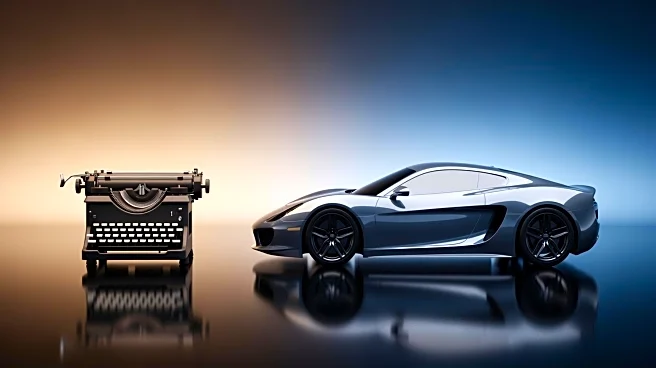
Interestingly, Alpina's journey began with typewriters, but the original Alpina ceased to exist by the late 1960s as the company shifted its focus to the textile industry. However, Burkard Bovensiepen's success in the stock market allowed him to establish a BMW tuning business, setting the stage for Alpina's future in the automotive world.
Racing Success and Withdrawal
Between 1968 and 1977, Alpina cars achieved remarkable success in various competitions, including the European Touring Car Championship and the prestigious Spa 24 Hours. The highlight came in 1970 when Alpina's team cars won multiple championships, solidifying its reputation in the racing world. Despite these achievements, Alpina officially withdrew from racing in 1988 due to capacity limitations and restrictions.
This decision marked a turning point for Alpina, as the company shifted its focus to producing a new set of BMW Alpina automobiles. The withdrawal from racing allowed Alpina to concentrate on developing high-performance vehicles that would cater to a different market segment.
Integration with BMW and Brand Distinctions
Since 1983, Alpina has been recognized by the German Federal Ministry of Transport as an automobile manufacturer, distinguishing it from aftermarket tuners. Alpina's close collaboration with BMW is evident in its production processes, which are integrated into BMW's assembly lines. For instance, the Alpina B7 is produced alongside BMW's 7 Series at the Dingolfing plant.
Alpina vehicles are known for their unique features, including hand-assembled engines, distinctive alloy wheels, and luxurious interiors. The brand emphasizes touring and higher torque, offering a different take on performance compared to BMW's in-house performance subsidiary, BMW M.
Alpina's journey from typewriters to high-performance cars is a testament to its adaptability and innovation. Today, it stands as a symbol of luxury and performance, continuing to push the boundaries of automotive excellence.