


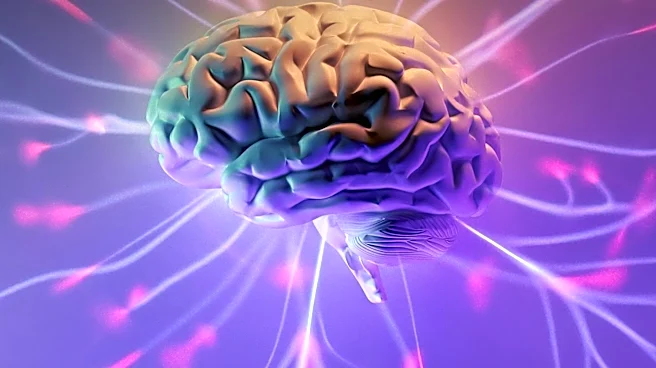

Curiosity is a powerful force that drives exploration and learning, but what happens in the brain when we experience curiosity? Understanding the neurological basis of curiosity can provide insight into how this instinct influences behavior and decision-making. By examining the brain's reward pathways and the role of neurotransmitters, we can better understand the complex interplay between curiosity and the brain.
The Reward Pathway and Curiosity
The brain's reward pathway plays a crucial
role in curiosity-driven behavior. This pathway involves several neurotransmitters, including dopamine, serotonin, and opioids, which contribute to the sensation of reward and pleasure. When we encounter new or unfamiliar stimuli, the anticipation of reward activates the reward pathway, prompting us to explore and learn.
Dopamine, in particular, is closely linked to curiosity. It assigns and retains reward values to new information, making the discovery of new knowledge inherently rewarding. Research suggests that higher levels of dopamine are released when the reward is unknown and the stimulus is unfamiliar, compared to when the stimulus is familiar. This dopamine activation encourages exploratory behavior and the pursuit of new experiences.
Brain Structures Involved in Curiosity
Several brain structures are involved in curiosity and exploratory behavior. The nucleus accumbens, a formation of neurons in the reward pathway, is important for the release of dopamine in response to novel stimuli. This fast dopamine release is particularly significant during childhood and adolescence, as curiosity and exploration are key facilitators of learning during these developmental stages.
Other brain regions, such as the caudate nucleus, anterior cortices, and striatum, also play a role in curiosity. These areas are involved in attention, motivation, and reward anticipation, all of which are essential for curiosity-driven behavior. The precuneus, a region associated with attention and memory, has been linked to levels of curiosity, suggesting that its density may influence exploratory tendencies.
Curiosity, Memory, and Learning
Memory is a critical component of curiosity, as it helps determine whether a stimulus is novel or familiar. The hippocampus, a brain region involved in memory formation and recall, plays a role in generating the motivation to explore for the purpose of learning. The parahippocampal gyrus, an area surrounding the hippocampus, has been implicated in amplifying curiosity.
Curiosity can also enhance memory and learning. Novel stimuli tend to capture more attention and have a reward value associated with them, leading to stronger memory formation and easier recall. This process facilitates better learning, as individuals are more likely to remember and understand new information when it is associated with curiosity.
In summary, the neuroscience of curiosity reveals the intricate relationship between brain structures, neurotransmitters, and behavior. By understanding the neurological basis of curiosity, we can gain insight into how this instinct drives exploration, learning, and decision-making.