




Stade de la Beaujoire, located in Nantes, France, is not only a hub for sports but also an architectural marvel. Designed by Berdje Agopyan, the stadium's unique features and design have contributed to its reputation as a premier venue. This article delves into the architectural aspects and design features that make Stade de la Beaujoire stand out.
Design and Construction
The construction of Stade de la Beaujoire was completed in 1984, specifically for the European Football
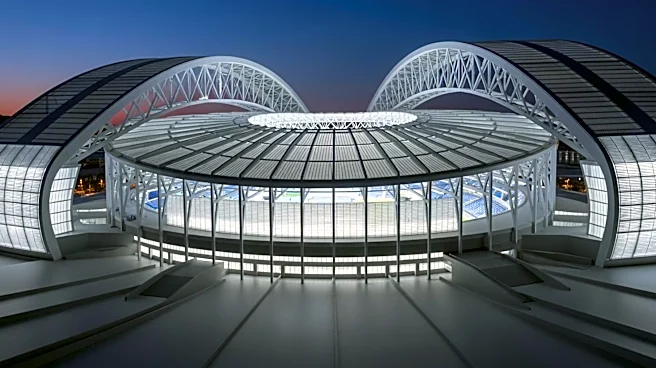
Championship. Architect Berdje Agopyan, known for his work on the Parc des Princes stadium in Paris, was chosen to design this new venue. The stadium was built in a hexagon shape, a design choice that was intended to enhance the viewing experience for spectators.
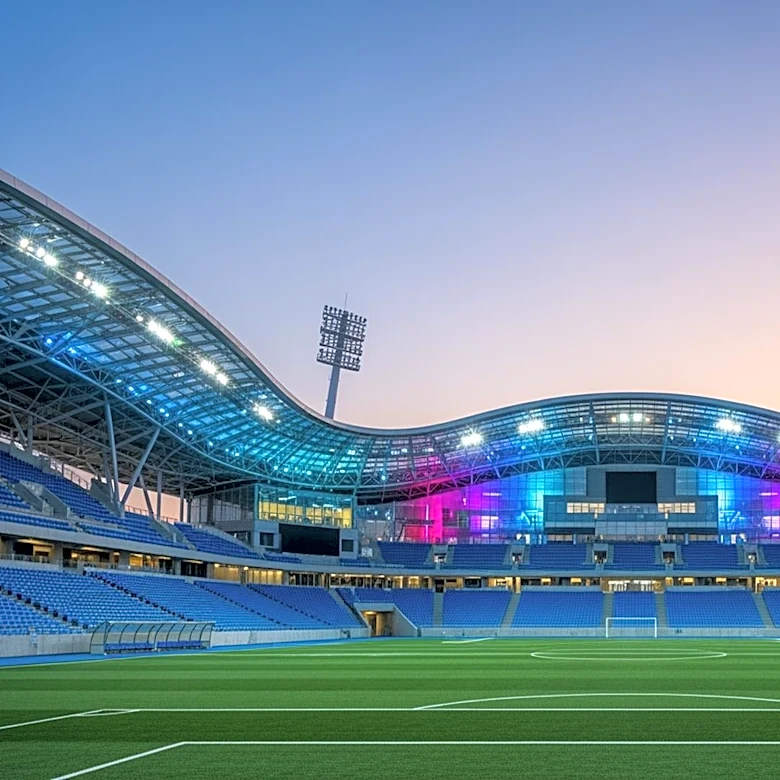
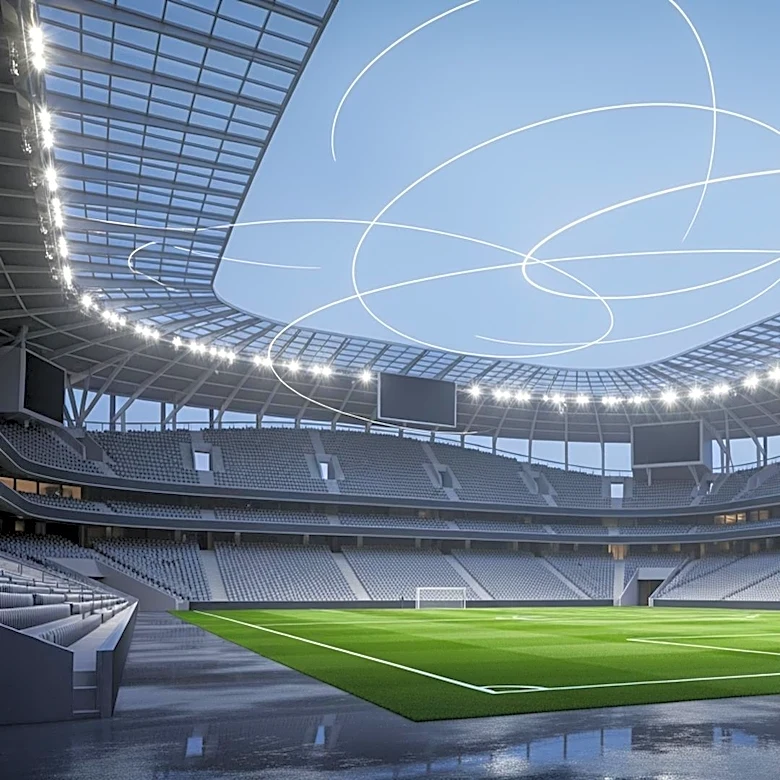
The hexagonal design allows for clear sightlines from every seat, ensuring that fans have an unobstructed view of the action on the field. This thoughtful design has been a key factor in the stadium's success, providing an optimal experience for attendees at both sports and music events.
Renovations and Modern Features
In 1998, Stade de la Beaujoire underwent significant renovations to prepare for the FIFA World Cup. These changes included converting the venue into an all-seater stadium, reducing its capacity to 35,322. The renovation aimed to improve safety and comfort for spectators, aligning with modern standards for international sporting events.
The stadium's surface was updated to Desso GrassMaster, a hybrid grass system that combines natural grass with artificial fibers. This upgrade ensures a durable and high-quality playing surface, suitable for both football and rugby matches.
Multifaceted Venue
Beyond its architectural design, Stade de la Beaujoire has been a versatile venue, hosting a variety of events. It has been a site for international rugby matches, including the Rugby World Cup in 2007 and 2023. The stadium's adaptability to different sports highlights its well-thought-out design and functionality.
Additionally, Stade de la Beaujoire has hosted music concerts, further showcasing its ability to accommodate diverse events. The stadium's design allows for easy transitions between sports and entertainment, making it a valuable asset to the community in Nantes.
In conclusion, Stade de la Beaujoire's architectural design and features have played a significant role in its success as a venue. Its unique design, modern renovations, and versatility have ensured its place as a beloved landmark in Nantes.