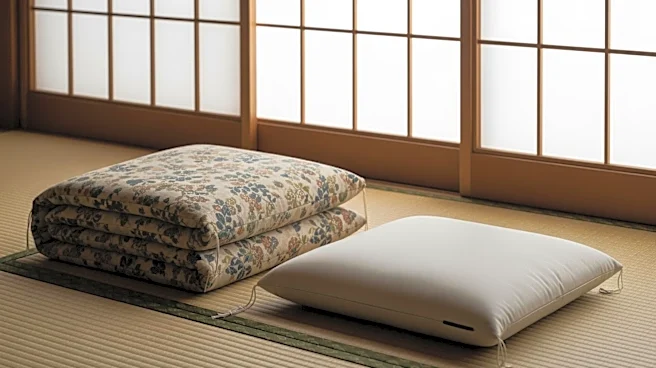







The zabuton, a traditional Japanese cushion, has a rich history that dates back to early Japan. Originally used by the aristocratic class, the zabuton has evolved over the centuries to become a staple in Japanese homes and cultural practices. This article explores the historical development of the zabuton, from its origins as a shitone to its modern form.
Origins of the Zabuton
The zabuton traces its origins to an earlier type of cushion known as the shitone. Used in early
Japan by the aristocratic class, the shitone was roughly the same size and shape as the modern zabuton. However, it was made of layers of straw matting covered with cloth, rather than the cotton-filled zabuton we know today. The shitone was a symbol of status and comfort, reserved for the elite.
As Japan transitioned into the Edo period, the introduction of cotton led to the development of the zabuton. The new material allowed for a softer and more comfortable cushion, making it accessible to a broader segment of the population. The zabuton gradually replaced the shitone in everyday use, becoming a common feature in Japanese homes.
The Edo Period and the Rise of the Zabuton
During the Edo period, the zabuton became an integral part of Japanese life. The period saw the widespread adoption of tatami flooring, which complemented the use of zabuton for sitting. The zabuton was used in various settings, from homes to temples, providing comfort and support for those sitting on the floor.
The Edo period also saw the development of different methods for making zabuton. One traditional method involved layering cotton stuffing on a square piece of fabric, which was then folded and stitched to create the cushion. This method ensured that the zabuton was durable and comfortable, qualities that contributed to its popularity.
Modern Zabuton and Its Continued Relevance
Today, the zabuton remains a staple in Japanese culture. While its design has evolved, the zabuton continues to serve its original purpose of providing comfort and support. Modern zabuton are often made with a variety of materials, including silk, linen, and leather, reflecting changes in manufacturing and consumer preferences.
Despite these changes, the zabuton retains its cultural significance. It is used in traditional practices such as meditation and the tea ceremony, as well as in everyday life. The zabuton's enduring presence in Japanese culture is a testament to its adaptability and importance.
In conclusion, the zabuton's evolution from the shitone to its modern form highlights its significance in Japanese history and culture. Its ability to adapt to changing times while maintaining its core function underscores its lasting appeal.