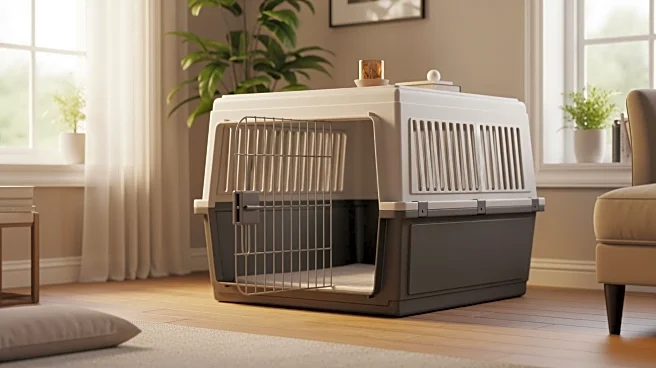

Dog crates are a common tool used by pet owners to provide a safe and secure environment for their dogs. These enclosures, which can be made from metal, wire, plastic, or fabric, serve multiple purposes
that benefit both the dog and the owner. By mimicking a dog's natural den, crates offer a place of refuge and comfort, whether at home or during travel.
Crate Training and Safety
One of the primary uses of a dog crate is for training purposes. Crate training helps accustom a dog to the crate, allowing them to rest without stress. This process is similar to using a playpen for a toddler or a crib for a baby, providing a safe space where the owner can take their eyes off the pet for a while. Crates are particularly useful for toilet training puppies, as they help establish a routine and prevent accidents in the house.
In addition to training, crates ensure the safety of dogs in various situations. They can confine a dog in locations where it is not safe or legal for them to roam freely. For instance, when visitors come to the house, a crate can provide a secure place for the dog, preventing any unwanted interactions. Moreover, during travel, crates offer a safe way to transport dogs, reducing the risk of injury.
Types of Dog Crates
Dog crates come in various types, each with its own advantages and disadvantages. Solid plastic crates are often preferred for secure travel, especially in airplanes, as they provide more protection in case of accidents. However, they are bulky and do not fold for storage, which can be a drawback for some pet owners.
Wire crates, on the other hand, are popular for their portability and ease of storage. They can be folded and are relatively lightweight, making them suitable for car travel and use in veterinary hospitals. These crates offer excellent airflow and visibility, which can be comforting for some dogs. However, they may not provide the same level of security as solid plastic crates.
Considerations for Choosing a Crate
When selecting a dog crate, several factors should be considered, including cost, durability, portability, safety, and style. It's important to choose a crate that suits the specific needs of the dog and the owner. For instance, aluminum crates are lightweight and strong, making them ideal for use in breeding kennels or as a permanent den inside the home.
Additionally, the comfort of the dog should be a priority. Proper bedding inside the crate can make a significant difference, ensuring that the dog feels comfortable and does not have the urge to escape. Misuse of crates, such as prolonged confinement, can lead to psychological harm, so it's crucial to use them responsibly and with the dog's well-being in mind.