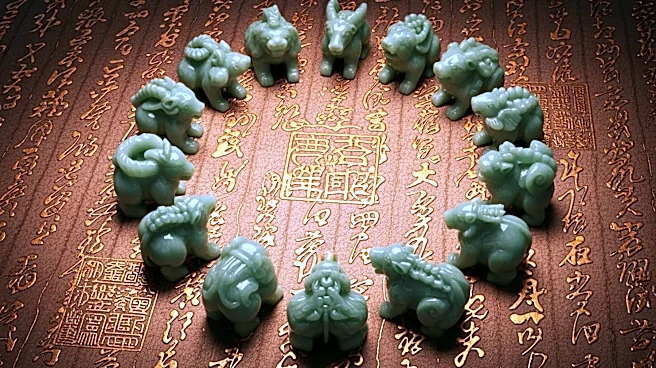



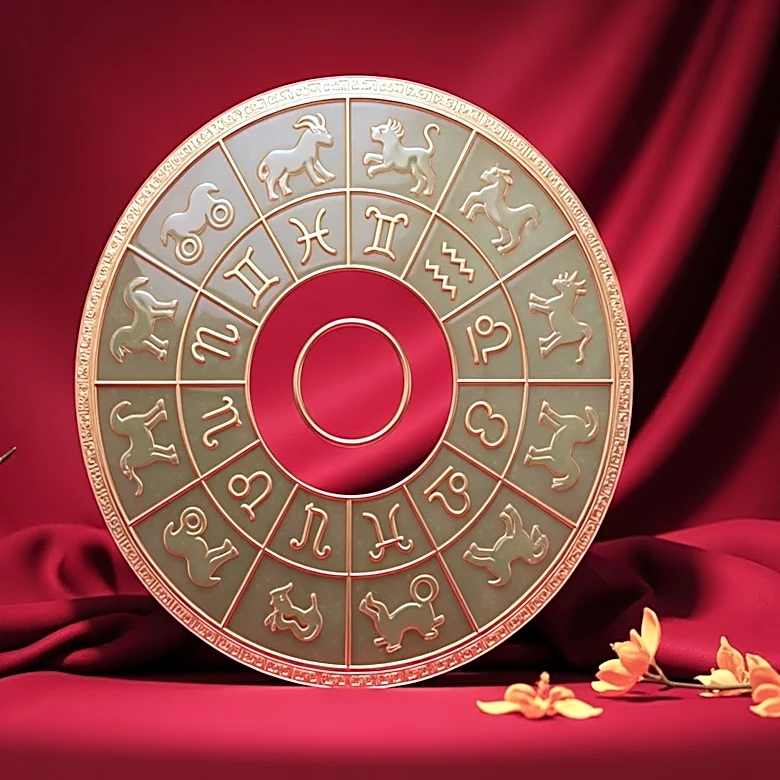





The Chinese zodiac, a system that assigns an animal to each year in a twelve-year cycle, has a rich history that dates back to ancient China. This system has evolved over centuries, becoming an integral part of Chinese culture and philosophy. The zodiac's development reflects the broader historical changes in Chinese society, from regional variations to its standardization during the Han Dynasty.
Origins and Early Variations
The origins of the Chinese zodiac are rooted in ancient
Chinese culture, where animals were chosen for their symbolic traits. Before the zodiac was standardized, the choice of animals varied regionally, reflecting local beliefs and customs. The zodiac's connection to the twelve Earthly Branches and ten Heavenly Stems created a 60-year cycle, combining personality traits with broader societal influences.
According to legend, the Jade Emperor held a contest to decide which animals would be included in the calendar. The rat, known for its intelligence, won the race and received the first year of the cycle. This story highlights the cultural significance of the zodiac animals and their perceived attributes.
Standardization in the Han Dynasty
The Han Dynasty marked a turning point in the development of the Chinese zodiac. During this era, the zodiac was formalized as an essential part of Chinese culture, with each year associated with a specific animal. This standardization helped unify the diverse regional variations, creating a cohesive system that could be used across China.
The zodiac's integration into the timekeeping system reflects the broader cultural and philosophical changes during the Han Dynasty. The combination of the twelve Earthly Branches with the ten Heavenly Stems created a cyclical system that embodied both individual personality traits and societal norms.
The Zodiac's Enduring Legacy
The Chinese zodiac's historical development has left a lasting legacy on Chinese culture and beyond. Its influence can be seen in various aspects of life, from personal beliefs to cultural practices. The zodiac's ability to adapt and evolve over time has allowed it to remain relevant in modern society.
Today, the zodiac continues to be a popular cultural reference, influencing people's perceptions of themselves and others. Its historical roots provide a sense of continuity and identity, connecting individuals to their cultural heritage. The zodiac's enduring legacy is a testament to its importance as a cultural and philosophical touchstone.