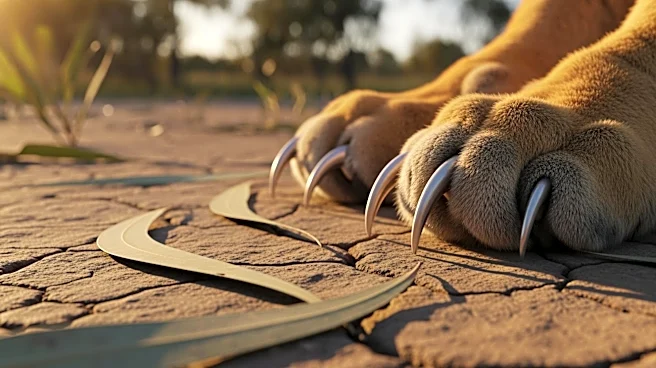









Feral cats pose a significant threat to Australia's native wildlife, contributing to the decline and extinction of various species. As a major invasive species, they have adapted to the country's diverse ecosystems, from deserts to forests, and have become a top priority for conservation efforts. The Australian Government's Threatened Species Strategy identifies feral cats as the highest threat to the country's mammals, with a threat factor more than
double that of the next highest threat.
Ecological Damage
Feral cats have been linked to the extinction of at least 28 mammal species in Australia, wreaking havoc on animals and plants on the brink of extinction. They kill over 1.5 billion native mammals, birds, reptiles, and frogs annually, along with 1.1 billion invertebrates. Their predation is particularly severe on ground-nesting birds and small native mammals, making it difficult to reintroduce threatened species into areas where they have become extinct.
The impact of feral cats is exacerbated by their ability to bypass control barriers and adapt to harsh desert conditions. They prey on moisture-rich small desert marsupials, allowing them to survive with minimal water. This adaptability makes them extremely difficult to control, posing a significant challenge to conservation efforts.
Economic Burden
The economic burden of feral cats in Australia is substantial, costing more than A$18.7 billion annually since 1960, nine times that of rabbits. Cats also carry diseases such as toxoplasmosis, which impacts humans and livestock at a cost of more than A$6 billion annually. These costs highlight the urgent need for effective management strategies to mitigate the impact of feral cats on Australia's ecosystems and economy.
Management Strategies
Efforts to control feral cat populations in Australia include trapping, shooting, and baiting, although these methods face challenges due to the cats' adaptability and cautious nature. Trap-neuter-return programs are favored by animal welfare groups, but their effectiveness in remote regions is limited. Exclosure fences are used to create safe havens from cats, but they require complex construction and are expensive.
Innovative approaches, such as reintroducing Tasmanian devils to mainland Australia, have been proposed to help control feral cat numbers. Tasmanian devils have been shown to suppress feral cat populations in areas free of devil facial tumor disease. However, such proposals have yet to gain traction.
Overall, managing feral cats in Australia requires a multifaceted approach that considers the ecological, economic, and social impacts of these invasive predators. By implementing targeted strategies and fostering collaboration among conservationists, policymakers, and communities, Australia can work towards reducing the threat posed by feral cats to its unique wildlife.