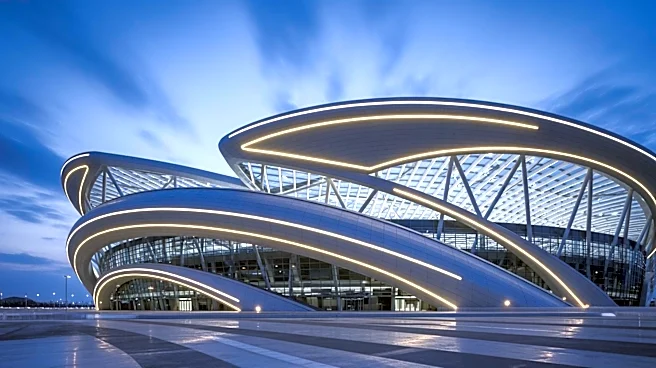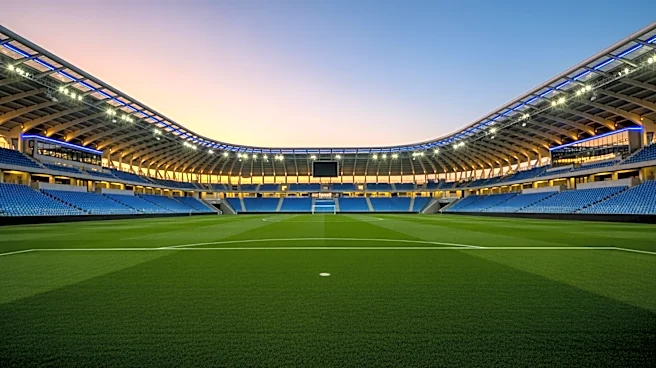




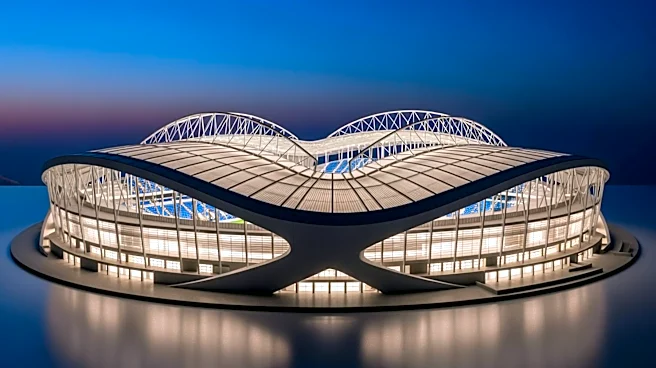


Estadio Cuauhtémoc in Puebla City, Mexico, is not just a venue for football matches; it is a marvel of modern architecture. Known for its innovative design, the stadium has set a benchmark in sports architecture in Latin America. This article delves into the architectural advancements that make Estadio Cuauhtémoc a standout structure.
The ETFE Facade
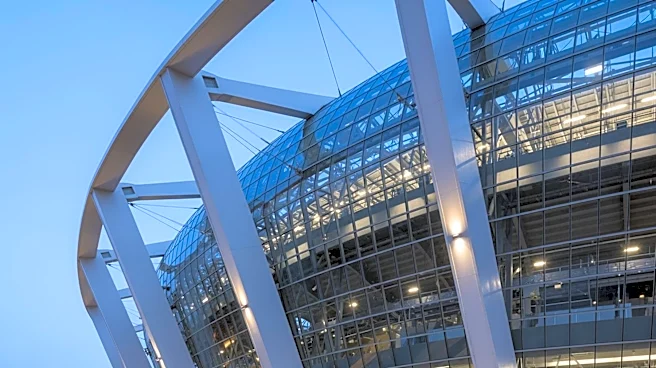
One of the most striking features of Estadio Cuauhtémoc is its facade, which is entirely covered with ETFE material.
This design choice was implemented during the stadium's renovation in 2015, making it the first stadium in Latin America to adopt such a feature. ETFE, or ethylene tetrafluoroethylene, is a lightweight, durable material that offers several advantages over traditional building materials.
The use of ETFE not only enhances the aesthetic appeal of the stadium but also improves its energy efficiency. The material allows natural light to penetrate while providing excellent insulation, reducing the need for artificial lighting and heating. This innovative approach to stadium design has positioned Estadio Cuauhtémoc as a leader in sustainable architecture.
Impact on Sports Architecture
The renovation of Estadio Cuauhtémoc has had a significant impact on sports architecture in Mexico and beyond. By incorporating ETFE into its design, the stadium has set a new standard for future sports venues in the region. This architectural innovation has inspired other stadiums to explore similar materials and design concepts, promoting a shift towards more sustainable and visually appealing structures.
The success of Estadio Cuauhtémoc's renovation has also highlighted the potential for combining modern technology with traditional sports venues. This blend of old and new has created a unique architectural identity for the stadium, making it a model for other sports facilities looking to modernize while preserving their historical significance.
A Symbol of Progress
Estadio Cuauhtémoc stands as a symbol of progress in sports architecture, showcasing the possibilities of modern design and technology. Its innovative facade and sustainable features have not only enhanced its functionality but also its reputation as a world-class sports venue.
As the stadium continues to host events and attract visitors, it remains a testament to the power of architectural innovation. Estadio Cuauhtémoc's design serves as an inspiration for future projects, demonstrating that with creativity and vision, sports venues can be both functional and beautiful. The stadium's architectural advancements have ensured its place as a landmark in the world of sports and design.