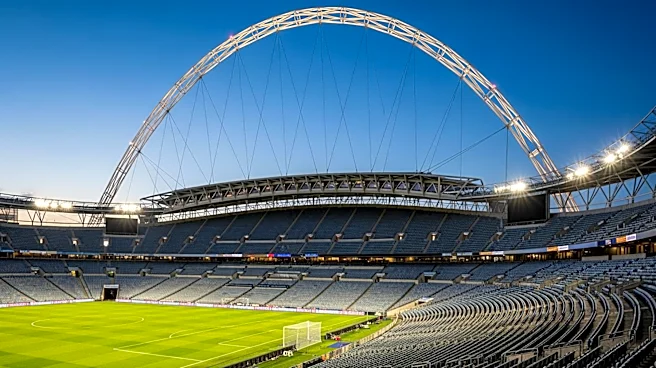



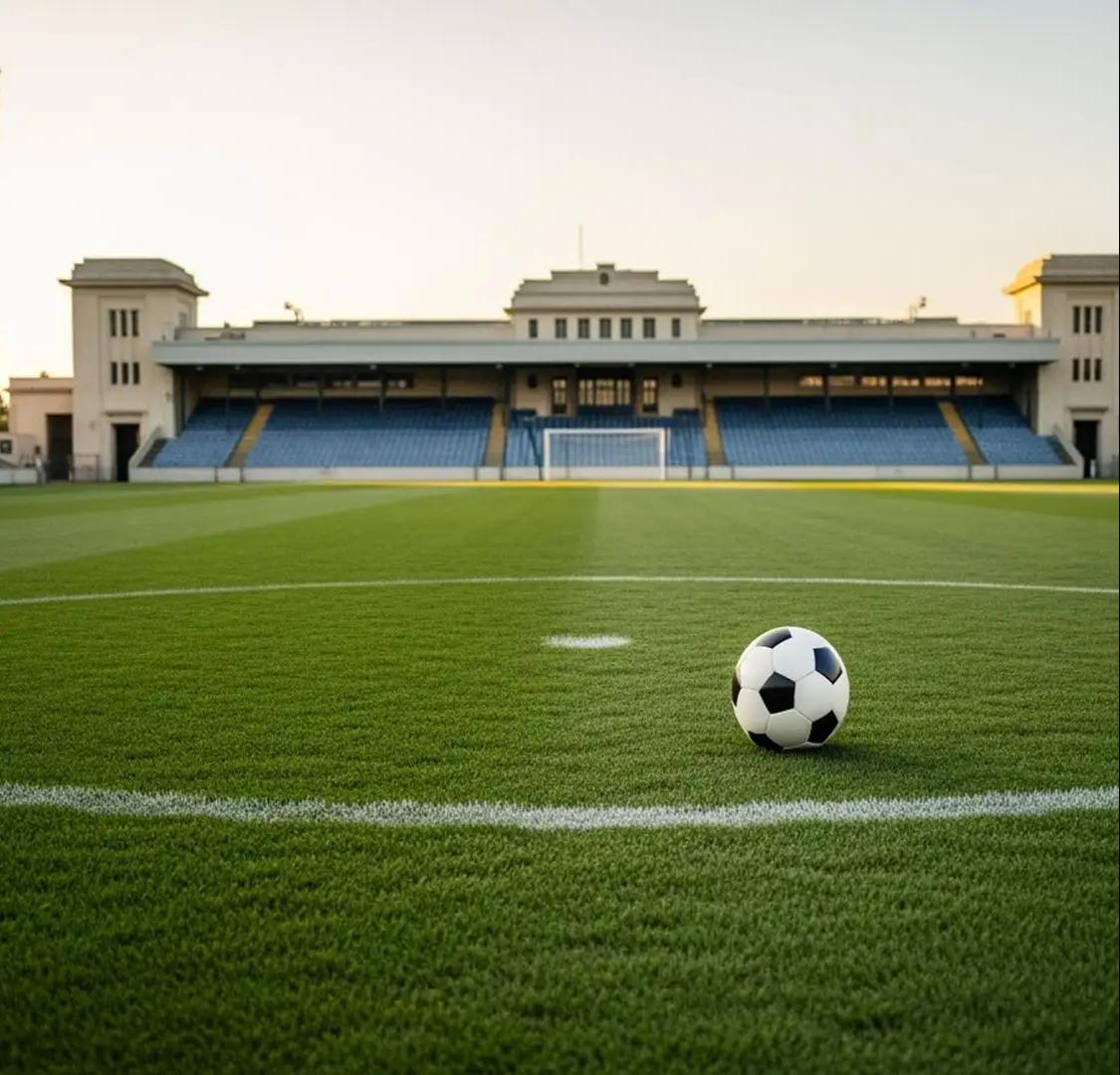



Wembley Stadium, originally known as the Empire Stadium, has been a cornerstone of sports and entertainment in England since its opening in 1923. Over the decades, it has hosted a multitude of significant events, from football finals to concerts, earning its reputation as the "cathedral of football." This article explores the rich history of Wembley Stadium and its role in shaping the cultural and sporting landscape.
A Storied Beginning
Wembley Stadium was inaugurated
with the 1923 FA Cup final, famously known as the "White Horse Final." The match between Bolton Wanderers and West Ham United drew an unprecedented crowd, with estimates ranging from 240,000 to over 300,000 spectators. This event set the stage for Wembley to become a premier venue for major sporting events.
Throughout its history, Wembley has been synonymous with football. It hosted the FA Cup final annually, along with the League Cup final and five European Cup finals. The stadium's significance was further highlighted when it hosted the 1966 FIFA World Cup final, where England triumphed over West Germany. This victory remains a defining moment in English football history.
Beyond Football
While football has been central to Wembley's identity, the stadium has also been a venue for various other sports and entertainment events. It hosted the 1948 Summer Olympics, showcasing its versatility as a multi-sport venue. Rugby league's Challenge Cup final and the Rugby League World Cup finals in 1992 and 1995 were also held at Wembley, further cementing its status as a key sports venue.
In addition to sports, Wembley has been a stage for numerous music events, including the iconic 1985 Live Aid concert. This event, featuring performances by legendary artists like Queen and David Bowie, demonstrated Wembley's capacity to host large-scale entertainment events. The stadium's ability to adapt to different types of events has been a significant factor in its enduring popularity.
A Lasting Legacy
Wembley Stadium's legacy extends beyond the events it has hosted. Its iconic Twin Towers became a symbol of the stadium, recognized worldwide. Although the original stadium was demolished in 2003, its successor, opened in 2007, continues to uphold Wembley's tradition of hosting major events.
The stadium's influence on sports and entertainment is undeniable. It has been a venue where history is made, from unforgettable football matches to groundbreaking concerts. Wembley Stadium remains a testament to the power of sports and entertainment to bring people together and create lasting memories. Its legacy continues to inspire future generations, ensuring that Wembley remains a central part of England's cultural heritage.