






Polyhydroxyalkanoates (PHAs) are a class of biodegradable polyesters produced by microorganisms. These biopolymers have garnered attention for their potential in creating sustainable materials. This article explores the biosynthesis of PHAs and the industrial processes involved in their production, highlighting the challenges and advancements in this field.
The Biosynthesis of Polyhydroxyalkanoates
PHAs are synthesized by microorganisms such as Cupriavidus necator and Bacillus megaterium.
These organisms produce PHAs as a form of energy storage, particularly under conditions of nutrient limitation. The biosynthesis process begins with the condensation of two molecules of acetyl-CoA to form acetoacetyl-CoA, which is then reduced to hydroxybutyryl-CoA. This compound serves as a monomer for the polymerization of PHAs.
The production of PHAs is typically induced by altering the nutrient composition in the growth medium of the microorganisms. By providing an excess of carbon sources while limiting other nutrients, such as nitrogen or phosphorus, the microorganisms are encouraged to synthesize PHAs. This process can yield PHAs that constitute up to 80% of the dry weight of the bacterial cells.
Industrial Production Techniques
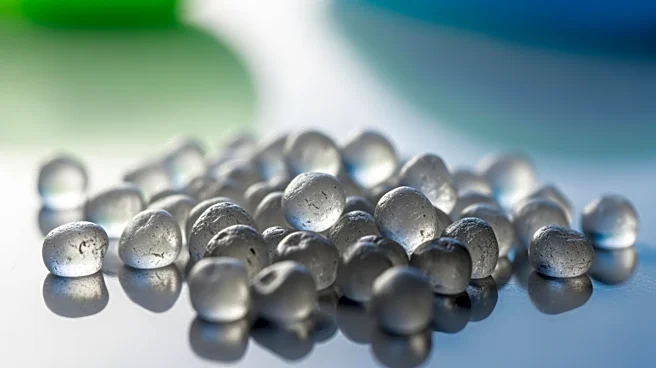
The industrial production of PHAs involves the extraction and purification of the polyester from bacterial cells. This process begins with the cultivation of microorganisms in a suitable medium, followed by the induction of PHA synthesis. Once the PHAs are synthesized, the bacterial cells are disrupted to release the PHA granules, which are then purified for further processing.
Various raw materials can be used in the fermentation process, including glucose, sucrose, and vegetable oils. The choice of raw material can influence the cost and efficiency of PHA production. Researchers are exploring the use of waste materials, such as glycerine from biodiesel production, to reduce costs and improve sustainability.
Challenges and Innovations
One of the primary challenges in the industrial production of PHAs is the cost, which remains higher than that of conventional plastics. However, advancements in genetic engineering and fermentation technology are paving the way for more cost-effective production methods. For instance, transgenic crops that express PHA synthesis pathways are being developed to produce PHAs directly in plant tissues.
The future of PHA production looks promising as industries seek sustainable alternatives to traditional plastics. With ongoing research and development, the efficiency and cost-effectiveness of PHA production are expected to improve. As these biopolymers become more economically viable, they have the potential to play a significant role in reducing plastic pollution and promoting a circular economy.