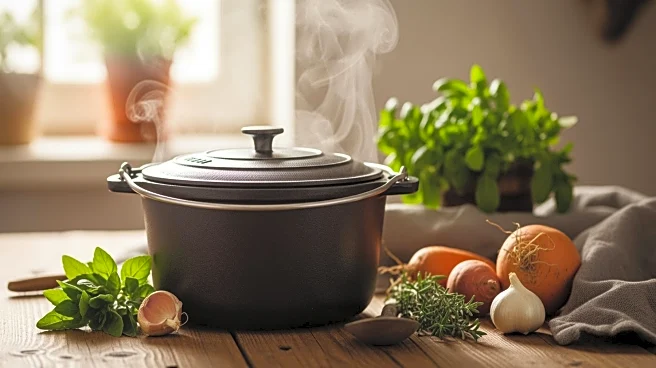




Stewing is a time-honored cooking method that has been cherished across cultures for its ability to transform simple ingredients into hearty, flavorful dishes. This technique involves cooking solid food ingredients slowly in liquid, resulting in a rich, savory gravy. Stews are versatile, accommodating a variety of vegetables and meats, particularly those that benefit from slow cooking. This article delves into the culinary tradition of stewing, highlighting
its techniques and the reasons behind its enduring popularity.
The Basics of Stewing
At its core, stewing is about combining solid food ingredients with a liquid base, which can be water, stock, or even wine, to create a dish that is both nourishing and satisfying. The process involves simmering the ingredients at a low temperature, allowing the flavors to meld together over time. This method is particularly suited for tougher cuts of meat, such as beef, pork, or lamb, which become tender and juicy when cooked slowly. The addition of vegetables like carrots, potatoes, and onions not only enhances the flavor but also adds nutritional value to the dish.
One of the key aspects of stewing is the use of seasonings and flavorings. Herbs and spices are often added to the pot to enhance the taste and aroma of the stew. Additionally, a small amount of alcohol, such as red wine, may be included to deepen the flavor profile. The slow cooking process allows these flavors to develop fully, resulting in a dish that is rich and complex.
Techniques for Perfect Stew
Achieving the perfect stew requires attention to detail and patience. One important technique is the browning of meat before it is added to the stew. This step involves searing the meat in a hot pan to develop a deep, caramelized crust, which adds depth of flavor to the final dish. Coating the meat with flour before browning can also help thicken the stew as it cooks.
Another technique is the use of a roux or beurre manié, which are mixtures of fat and flour, to thicken the stew. Alternatively, cornstarch or potato starch can be used as thickeners. The choice of thickening agent can affect the texture and appearance of the stew, so it is important to select one that complements the other ingredients.
The Cultural Significance of Stew
Stews have been a staple in many cultures for centuries, with each region adding its unique twist to the dish. In England, beef stew with dumplings was considered a national dish in the 14th century. Other European countries have their own versions, each reflecting local ingredients and culinary traditions. The adaptability of stew makes it a beloved dish worldwide, capable of incorporating seasonal produce and available meats.
The enduring appeal of stew lies in its ability to bring comfort and warmth, especially during colder months. It is a dish that invites creativity, allowing cooks to experiment with different ingredients and flavors. Whether enjoyed as a simple family meal or a festive dish, stew remains a testament to the art of slow cooking and the joy of sharing a hearty meal.