



The Mercedes V6 hybrid Formula One power unit has been a game-changer in the world of racing since its introduction in 2014. Developed by Mercedes-AMG High Performance Powertrains, this engine has set new standards in power and efficiency, leading to numerous victories and championships. This article explores the evolution of this remarkable engine and its impact on Formula One racing.
The Birth of a New Era
In 2014, Formula One regulations introduced a new engine formula
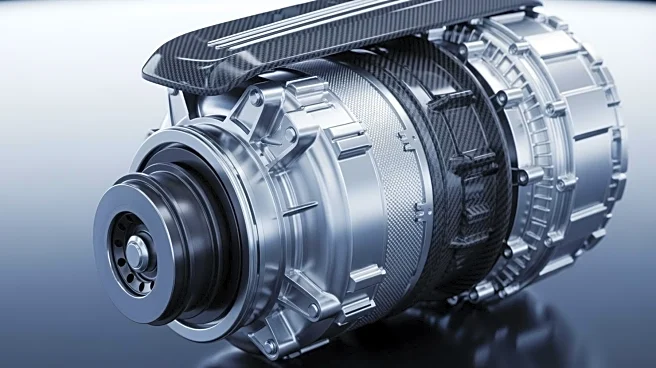
that required teams to use 1.6-liter turbocharged V6 engines. Mercedes responded by developing a hybrid power unit that combined a traditional internal combustion engine with advanced energy recovery systems. This new engine was not only powerful but also more fuel-efficient compared to its competitors, giving Mercedes a significant advantage on the track.
The Mercedes V6 hybrid engine featured two key components: the Motor Generator Unit-Kinetic (MGU-K) and the Motor Generator Unit-Heat (MGU-H). The MGU-K recovered energy during braking, while the MGU-H eliminated turbo lag by keeping the turbocharger spinning at lower speeds. These innovations allowed Mercedes to maximize performance while adhering to the new fuel flow restrictions.
Dominance on the Track
Since its debut, the Mercedes V6 hybrid engine has been a dominant force in Formula One. In its first season, cars powered by this engine scored the majority of points, securing numerous pole positions and race wins. The engine's success continued in subsequent seasons, with Mercedes-powered cars winning 140 out of 252 races by the end of the 2025 season.
The engine's reliability and performance have been key factors in Mercedes' success. The team has won eight drivers' championships and ten constructors' championships since the introduction of the V6 hybrid engine. Notably, Lewis Hamilton, driving for the Mercedes factory team, won six drivers' championships, further cementing the engine's legacy in the sport.
The Future of Formula One Engines
As Formula One looks to the future, the Mercedes V6 hybrid engine remains a benchmark for innovation and performance. However, changes are on the horizon. New regulations set to take effect in 2026 will see the elimination of the MGU-H, with an increased focus on the MGU-K. These changes aim to simplify the power units and reduce costs while maintaining high performance levels.
Despite these upcoming changes, the legacy of the Mercedes V6 hybrid engine will endure. Its impact on the sport has been profound, setting new standards for efficiency and performance. As Formula One continues to evolve, the innovations pioneered by Mercedes will undoubtedly influence the next generation of racing engines.