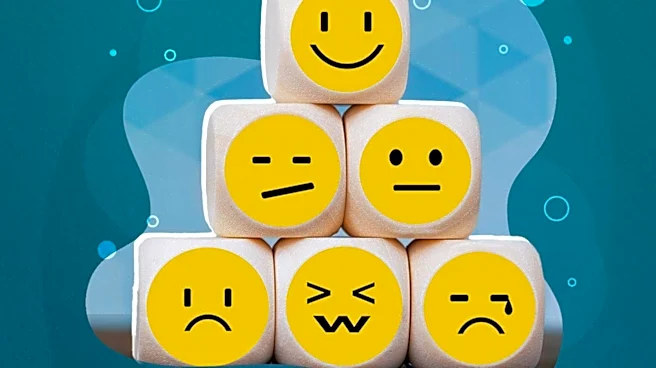

Emotion-focused coping is a strategy that involves managing the emotional responses to stress rather than addressing the stressor itself. This approach can be particularly effective in situations where
the stressor is uncontrollable, such as a terminal illness or the loss of a loved one. By focusing on emotions, individuals can alleviate distress and improve their overall well-being.
Techniques of Emotion-Focused Coping
Emotion-focused coping includes a variety of techniques aimed at regulating emotions. These strategies can involve releasing pent-up emotions, distracting oneself, or engaging in mindfulness practices. Techniques such as meditation, systematic relaxation procedures, and situational exposure can help individuals manage hostile feelings and reduce stress.
Positive emotion-focused mechanisms, such as seeking social support and positive reappraisal, are associated with beneficial outcomes. These strategies allow individuals to reframe the meaning of the stressor, reducing its emotional impact. By focusing on positive aspects, people can shift their attention away from negative feelings and improve their mood.
Effectiveness in Different Situations
Emotion-focused coping is particularly well-suited for stressors that seem uncontrollable. In cases of chronic illness or loss, these strategies can provide relief by minimizing the emotional components of the stressor. However, some mechanisms, such as avoidance, can be detrimental when used over an extended period.
The effectiveness of emotion-focused coping depends on the individual's traits and the surrounding environment. For example, emotional approach coping, which involves emotional expression and processing, can be beneficial when the social environment is receptive. In contrast, emotional expression met with rejection may lead to poorer adjustment.
Balancing Coping Strategies
While emotion-focused coping can be effective, it's important to balance it with problem-focused strategies. Problem-focused coping provides a sense of control by addressing the source of stress directly. By combining both approaches, individuals can manage their emotions while taking proactive steps to alleviate stress.
Understanding the role of emotion-focused coping in managing stress can help individuals make informed choices about their coping strategies. By recognizing the benefits and limitations of these techniques, people can work towards improving their mental health and resilience.