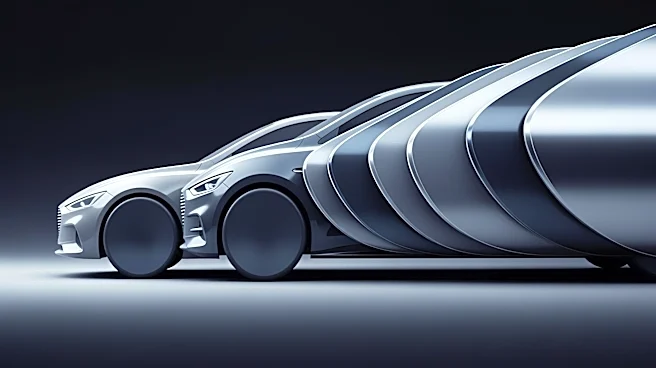

The Hyundai Sonata has been a staple in the midsize family sedan market since its introduction in 1985. Over the years, it has undergone significant transformations, evolving through multiple generations
to meet changing consumer preferences and technological advancements. This article explores the journey of the Hyundai Sonata through its various generations, highlighting key changes and developments.
The Early Years: First and Second Generations
The first generation of the Hyundai Sonata was launched in 1985 as a revamped version of the Hyundai Stellar. It featured a rear-wheel-drive layout and was powered by Mitsubishi engines. Despite its initial promise, the first generation was short-lived, lasting only until 1987 due to a lukewarm market response. The second generation, introduced in 1988, marked a significant shift as it was built on the Mitsubishi Galant platform. This generation was the first to be exported to the United States, expanding Hyundai's reach in the global market.
The second generation Sonata offered a variety of engine options, including four-cylinder and V6 engines, catering to different market needs. It was assembled in multiple locations, including South Korea and Canada, showcasing Hyundai's growing manufacturing capabilities. This generation laid the groundwork for the Sonata's future success by establishing a presence in key international markets.
Midlife Transformations: Third to Fifth Generations
The third generation Sonata, launched in 1993, continued to build on the success of its predecessor. It introduced more refined styling and improved features, such as air conditioning and safety enhancements like airbags and ABS. This generation also saw the introduction of special editions, which helped maintain consumer interest and sales momentum.
The fourth and fifth generations, spanning from 1998 to 2006, further solidified the Sonata's reputation as a reliable family sedan. These models featured more powerful engines and advanced transmission options, including automatic gearboxes. The fifth generation, in particular, was notable for its introduction of a diesel engine option, which was well-received in markets with a preference for diesel-powered vehicles.
Modern Innovations: Sixth to Eighth Generations
The sixth generation Sonata, launched in 2009, marked a turning point with its bold design and advanced technology features. It was the first Sonata to be produced in the United States, reflecting Hyundai's commitment to the North American market. This generation was a commercial success, selling over a million units in the U.S. alone.
The seventh and eighth generations, introduced in 2014 and 2019 respectively, continued to push the boundaries of design and technology. These models featured sleek, modern styling and were equipped with the latest in automotive technology, including advanced safety systems and connectivity features. The eighth generation, in particular, represents the pinnacle of the Sonata's evolution, offering a blend of performance, comfort, and innovation.
The Hyundai Sonata's journey through its generations is a testament to Hyundai's ability to adapt and innovate in the competitive automotive market. Each generation has built upon the successes and lessons of its predecessors, resulting in a vehicle that continues to meet the needs of modern consumers.