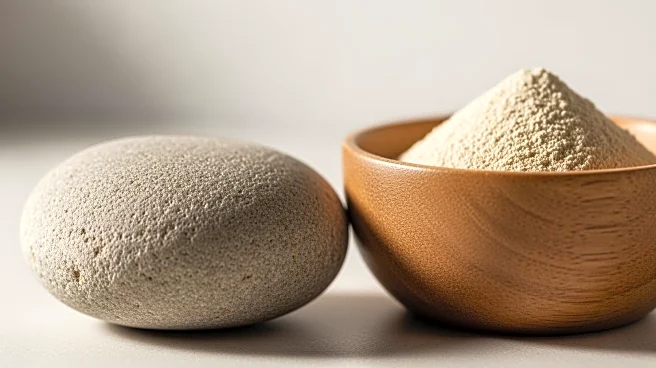




Exfoliation is a key practice in cosmetology, aimed at removing dead skin cells to enhance the skin's appearance and health. This process can be achieved through various methods, each offering unique benefits. By understanding the different techniques and their effects, individuals can make informed choices about their skincare routines. Exfoliation not only improves the skin's texture but also promotes cell turnover, making it a vital component of modern
skincare.
Chemical and Mechanical Exfoliation
Exfoliation in cosmetology can be broadly categorized into chemical and mechanical methods. Chemical exfoliation involves the use of mild acids or other chemicals to loosen and remove dead skin cells. These substances work by breaking down the bonds that hold the dead cells together, allowing them to be easily washed away. Common chemical exfoliants include alpha hydroxy acids (AHAs) and beta hydroxy acids (BHAs), which are often found in cleansers, scrubs, and peels.
On the other hand, mechanical exfoliation uses physical means to slough off dead skin cells. This can be achieved through the use of abrasive substances like scrubs containing microbeads, sea salt, or sugar. Tools such as brushes, loofahs, and sponges are also popular for mechanical exfoliation. These methods physically scrub away the top layer of dead skin, revealing the fresher, healthier skin beneath.
Benefits of Regular Exfoliation
Regular exfoliation offers numerous benefits for the skin. By removing dead skin cells, exfoliation helps to even out rough patches and improve the skin's overall texture. This process also encourages cell turnover, which is essential for maintaining a youthful appearance. Additionally, exfoliation can help clear blocked pores, reducing the likelihood of acne breakouts.
Exfoliation is also beneficial for improving the appearance and healing of scars. By promoting cell regeneration, exfoliation can gradually reduce the visibility of scars and other blemishes. Furthermore, by keeping the skin free of dead cells, exfoliation allows other skincare products to penetrate more effectively, enhancing their efficacy.
Choosing the Right Exfoliation Method
Selecting the appropriate exfoliation method depends on individual skin types and concerns. For those with sensitive skin, chemical exfoliants may be preferable, as they can be gentler than mechanical methods. However, individuals with oily or acne-prone skin might benefit more from mechanical exfoliation, which can help clear excess oil and debris from the pores.
It's important to avoid over-exfoliation, as this can lead to irritation and damage to the skin's natural barrier. A balanced approach, incorporating exfoliation into a regular skincare routine, can help maintain healthy, glowing skin. By understanding the different methods and their benefits, individuals can tailor their exfoliation practices to suit their unique needs and achieve optimal results.