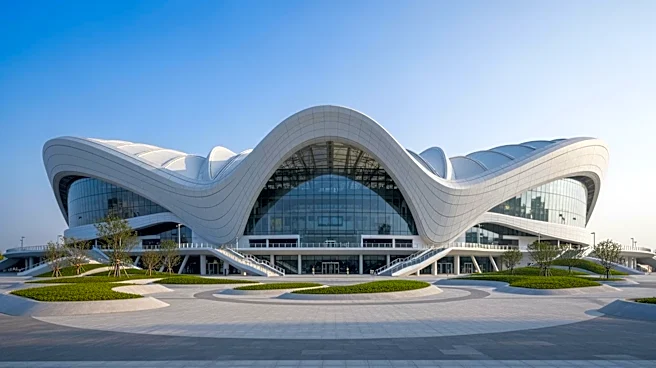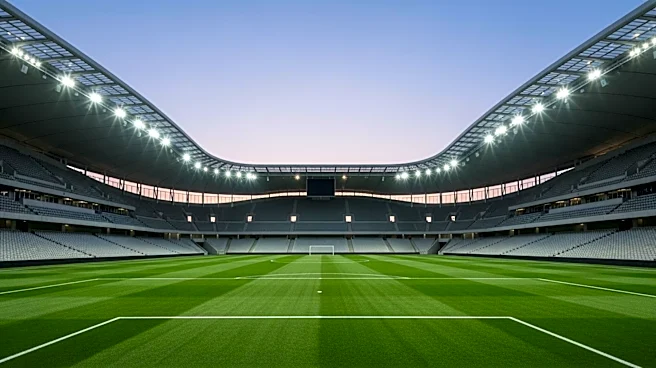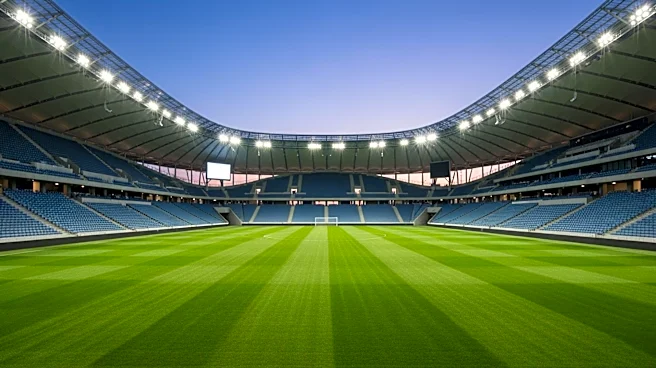









Incheon Munhak Stadium, located in Incheon, South Korea, is a versatile venue that has played host to a variety of events since its opening. With a seating capacity of around 49,000, it stands as a significant structure within a larger sports complex. This article delves into the stadium's design, its role in major sporting events, and its place within the broader sports complex.
A Versatile Design
Incheon Munhak Stadium was constructed with a multi-purpose design, setting
it apart from many other stadiums built for the 2002 FIFA World Cup. Unlike most World Cup venues, it includes a running track, which allows it to accommodate a range of athletic events beyond just soccer. This feature makes it a valuable asset for hosting track and field competitions, as well as other sports that require such facilities.
The stadium's design reflects a commitment to versatility, ensuring that it can serve the needs of various sports and events. This adaptability is a key reason why it remains a prominent venue in Incheon, even though it no longer serves as the home ground for a permanent sports team.
Hosting the 2002 FIFA World Cup
One of the most notable events in the history of Incheon Munhak Stadium was its role in the 2002 FIFA World Cup. During this prestigious tournament, the stadium hosted three group stage matches, bringing international attention to Incheon. The World Cup is one of the most watched sporting events globally, and hosting matches at the stadium was a significant achievement for the city.
The inclusion of Incheon Munhak Stadium in the World Cup lineup highlighted its capacity to handle large crowds and its suitability for high-profile events. This exposure helped to cement its reputation as a world-class venue capable of hosting international competitions.
Part of a Larger Sports Complex
Incheon Munhak Stadium is not just a standalone facility; it is part of a larger sports complex that includes a museum, conference center, and a baseball stadium. This integration into a broader complex enhances its utility and appeal, making it a hub for sports and cultural activities in the region.
The presence of additional facilities within the complex allows for a wide range of events to be held, from sports tournaments to cultural exhibitions and conferences. This multi-use capability ensures that the complex remains a vibrant part of the community, attracting visitors for various purposes throughout the year.
In conclusion, Incheon Munhak Stadium is a versatile and significant venue within Incheon, South Korea. Its design, history of hosting major events, and integration into a larger sports complex make it a key player in the region's sports and cultural landscape.