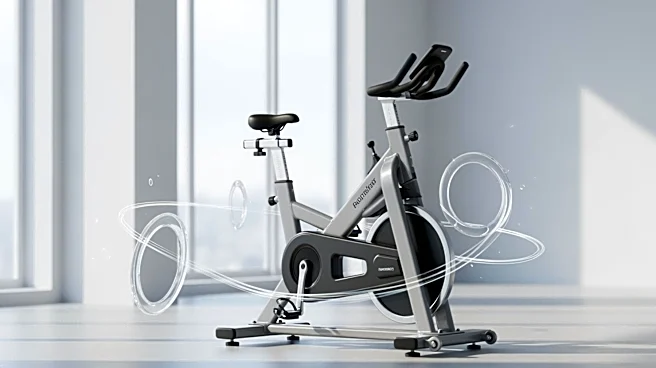







Stationary bicycles, also known as exercise bikes, have become a versatile tool in the realm of fitness and health. Their applications extend beyond simple exercise, encompassing areas such as physical therapy, weight loss, and cardiac rehabilitation. This article explores the diverse uses of stationary bicycles, highlighting their benefits and significance in modern fitness practices.
Exercise and General Fitness
One of the primary uses of stationary bicycles is for exercise
and general fitness. These machines provide a cardiovascular workout that is both effective and low-impact, making them suitable for individuals of all fitness levels. The ability to adjust resistance allows users to tailor their workouts to their specific needs, whether they are aiming to increase endurance, build strength, or lose weight.
Stationary bikes are particularly popular for indoor cycling classes, where participants can engage in high-intensity workouts in a group setting. These classes often incorporate elements of endurance, strength, and interval training, providing a comprehensive fitness experience. The popularity of indoor cycling has led to the development of specialized bikes, such as spinning bikes, which offer a more realistic cycling experience.
Physical Therapy and Rehabilitation
In addition to general fitness, stationary bicycles play a crucial role in physical therapy and rehabilitation. Their low-impact nature makes them ideal for individuals recovering from injuries or surgeries, as they do not place excessive stress on the joints. Exercise bikes are commonly used in cardiac rehabilitation programs, helping patients improve their cardiovascular health after heart-related events.
The controlled environment of stationary biking allows therapists to monitor patients' progress and adjust the intensity of workouts as needed. This gradual approach to rehabilitation ensures that patients can safely regain their strength and endurance without risking further injury.
Specialized Applications and Considerations
While stationary bicycles offer numerous benefits, there are some considerations to keep in mind. Extended use of these machines has been linked to decreased sexual function, highlighting the importance of balanced exercise routines. Users should be mindful of their workout duration and intensity to avoid potential negative effects.
Moreover, stationary bicycles are used for physical testing, serving as ergometers to measure power output. This application is particularly relevant in sports science and research, where precise measurements are required to assess athletes' performance and capabilities.
Overall, stationary bicycles are a valuable asset in the fitness industry, offering a range of applications that cater to different needs and goals. Their versatility and effectiveness make them a popular choice for individuals seeking to improve their health and well-being.