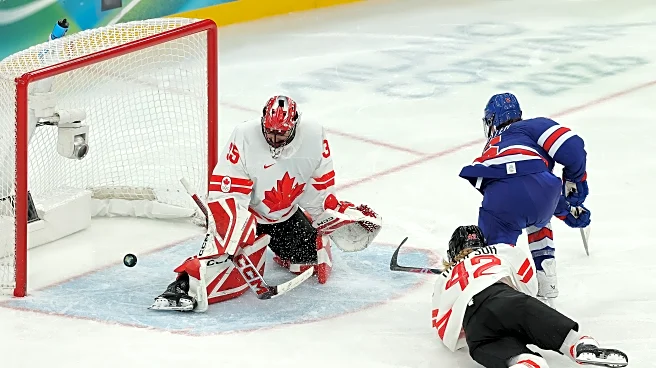




The "Miracle on Ice" is a term that resonates deeply within the annals of sports history, particularly in the realm of Olympic hockey. This phrase refers to the stunning victory of the United States men's ice hockey team over the Soviet Union during the 1980 Winter Olympics held in Lake Placid, New York. The Soviet team, having dominated the sport for years, was heavily favored to win, making the U.S. team's triumph a monumental upset that captured
the imagination of sports fans worldwide.
The Build-Up to the Miracle
The Soviet Union had been a powerhouse in Olympic ice hockey, securing gold medals in five of the six previous Winter Games. Their team was composed of seasoned professionals, making them the favorites to win yet again in 1980. The U.S. team, on the other hand, was relatively young and inexperienced, consisting mostly of college players. Despite these odds, the American team, under the guidance of coach Herb Brooks, was determined to challenge the Soviet dominance.
The journey to the medal round was not without its challenges. The U.S. team had to prove themselves in exhibition games and preliminary rounds, facing formidable opponents like Sweden and Czechoslovakia. Their performance in these games was crucial in building the confidence and cohesion needed to face the Soviets. By the time they reached the medal round, the U.S. team had already defied expectations, setting the stage for their historic encounter with the Soviet Union.
The Game That Changed Everything
The medal-round game between the United States and the Soviet Union was a nail-biting affair. The first period ended in a 2-2 tie, with the Soviets taking a 3-2 lead in the second period. However, the U.S. team was not ready to concede. In the third and final period, they scored two more goals, taking the lead for the first time in the game. The Americans held on to their advantage, ultimately winning 4-3.
This victory was not just a win on the ice; it was a symbolic triumph during a time of political tension between the United States and the Soviet Union. The game was more than just a sports event; it was a moment of national pride and unity for Americans, showcasing the power of determination and teamwork.
The Legacy of the Miracle
Two days after their victory over the Soviets, the U.S. team went on to win the gold medal by defeating Finland. The Soviet Union, despite their loss to the Americans, secured the silver medal by beating Sweden. The "Miracle on Ice" became one of the most iconic moments in sports history, celebrated for its unexpected outcome and the spirit it embodied.
In 1999, Sports Illustrated named the "Miracle on Ice" the top sports moment of the 20th century, a testament to its enduring impact. The game remains a symbol of hope and possibility, reminding us that underdogs can triumph against the odds with perseverance and teamwork.