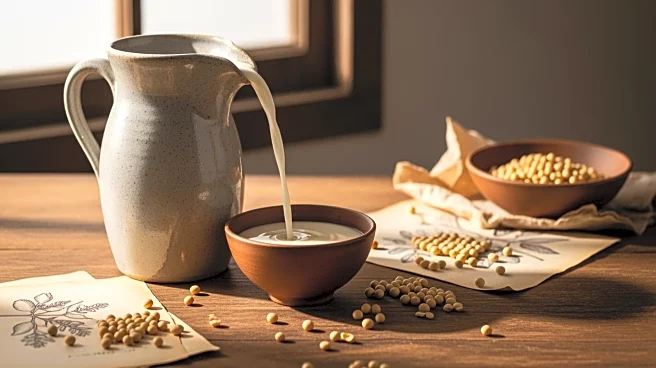




Soy milk, a plant-based milk produced from soybeans, has a rich history and cultural significance that spans centuries. Originating in China, soy milk has become a staple in many diets worldwide, particularly for those seeking dairy alternatives. This article explores the historical development of soy milk and its cultural impact across different regions.
Origins and Early Development
The earliest record of soybean milk dates back to the Eastern Han dynasty in China, where it was
described as a traditional watery liquid used in tofu production. Known locally as doujiang, this drink was a common intermediate product in tofu manufacturing. By the 18th century, soy milk was widely consumed, with street vendors selling it as a breakfast beverage.
Soy milk's popularity grew during the Qing dynasty, as it was discovered that heating the liquid for extended periods helped break down oligosaccharides, reducing digestive discomfort for lactose-intolerant individuals. This discovery contributed to its widespread use and acceptance as a dairy alternative.
Global Expansion and Modernization
Soy milk entered the European and North American markets in the latter half of the 20th century, as production techniques improved to mimic the taste and consistency of dairy milk. The first soy milk "dairy" was established in France in 1910, followed by production in the United States in 1917. These developments marked the beginning of soy milk's global expansion.
In the 1980s, new production technologies led to soy beverages with a more milk-like flavor and consistency, further increasing their appeal. By 2019, soy milk had become the second-most consumed plant milk worldwide, following almond milk.
Cultural Significance and Uses
Soy milk holds cultural significance in many regions, particularly in East Asia, where it is a common beverage and ingredient in various dishes. It is used to make imitation dairy products such as soy yogurt, soy cream, and soy-based cheese analogues. Additionally, soy milk is an ingredient in milkshakes, pancakes, smoothies, and baked goods.
The versatility of soy milk has contributed to its widespread use in vegan and vegetarian diets, offering a nutritious alternative to cow's milk. As consumer interest in plant-based foods continues to grow, soy milk remains a popular choice for those seeking sustainable and culturally significant options.
Soy milk's historical development and cultural impact highlight its importance as a dairy alternative. With its rich history and diverse applications, soy milk continues to play a vital role in global diets, offering a nutritious and sustainable option for consumers worldwide.