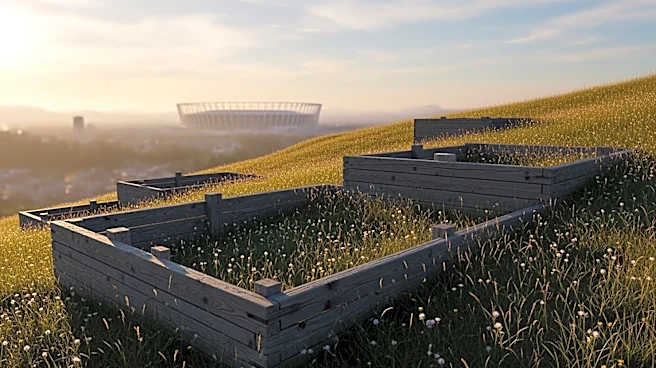








The construction of Dodger Stadium in Los Angeles is not just a story of baseball and architecture; it is also a story of a community that was displaced to make way for the stadium. Chavez Ravine, a predominantly Mexican-American neighborhood, was the site chosen for the new home of the Los Angeles Dodgers. This article delves into the impact of the stadium's construction on the Chavez Ravine community and the controversies that ensued.
The Chavez Ravine Community
Chavez Ravine
was a semi-rural area located in the hills north of downtown Los Angeles. It was home to a close-knit Mexican-American community, with three distinct neighborhoods: La Loma, Palo Verde, and Bishop. The residents of Chavez Ravine were generally poor and relied on farming for their livelihood. Despite the economic challenges, the community was vibrant and cohesive, with strong cultural ties and a sense of belonging.
In the early 1950s, the City of Los Angeles acquired the land in Chavez Ravine through eminent domain, with plans to develop a public housing project called Elysian Park Heights. However, the project was abandoned due to political opposition to public housing. The land lay vacant for several years, with only a few residents remaining, until it was selected as the site for Dodger Stadium.
The Battle of Chavez Ravine
The decision to build Dodger Stadium at Chavez Ravine was met with resistance from the remaining residents. The "Battle of Chavez Ravine" refers to the struggle of these residents to hold onto their homes in the face of government pressure to sell. The city employed various tactics to acquire the land, including offering cash payments and using high-pressure tactics to coerce property owners to sell.
The final eviction of the remaining residents in 1959 was a dramatic and painful event. The Los Angeles County Sheriff's Department forcibly removed the last holdouts, including the Arechiga family, who had become symbols of the resistance. The eviction was widely covered in the media and remains a poignant chapter in the history of Los Angeles.
Legacy and Reflection
The displacement of the Chavez Ravine community for the construction of Dodger Stadium is a story of loss and resilience. While the stadium has become an iconic symbol of Los Angeles, the memory of the community that was displaced lingers on. The story of Chavez Ravine has been immortalized in various forms of art and media, serving as a reminder of the human cost of urban development.
Today, Chavez Ravine is part of Elysian Park, and the legacy of the community lives on through the stories and memories of those who were displaced. The history of Chavez Ravine is a testament to the strength and spirit of its residents, who fought to preserve their homes and their way of life in the face of overwhelming odds.