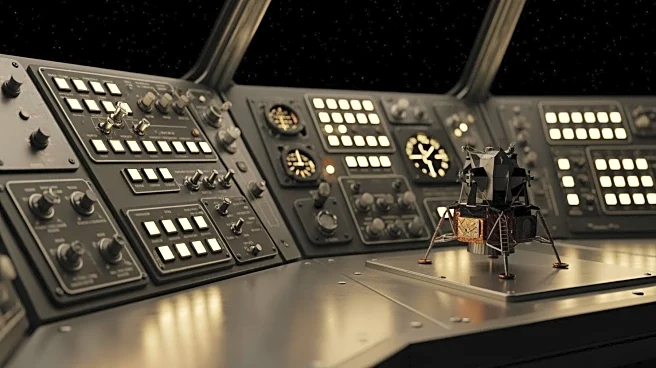

Apollo 10, launched in May 1969, was a landmark mission in NASA's Apollo program, marking the second crewed flight to orbit the Moon. This mission served as a crucial step in preparing for the first lunar landing, testing spacecraft components and procedures in lunar orbit. With astronauts Thomas P. Stafford, John Young, and Eugene Cernan aboard, Apollo 10's journey to the Moon and its operations in orbit were pivotal in ensuring the success of subsequent
missions.
Launch and Outbound Journey
Apollo 10 launched from Kennedy Space Center on May 18, 1969, at the start of a 4.5-hour launch window. The mission aimed to secure optimal lighting conditions at the planned landing site for Apollo 11. Despite encountering pogo oscillations during launch, the spacecraft successfully entered a low Earth orbit before executing a trans-lunar injection to head towards the Moon.
The crew experienced a relatively smooth journey to the Moon, with only a slight course correction needed to align Apollo 10 with the trajectory planned for Apollo 11. During the outbound trip, the astronauts made several television broadcasts, sharing color views of Earth with a large audience back home.
Lunar Orbit Operations
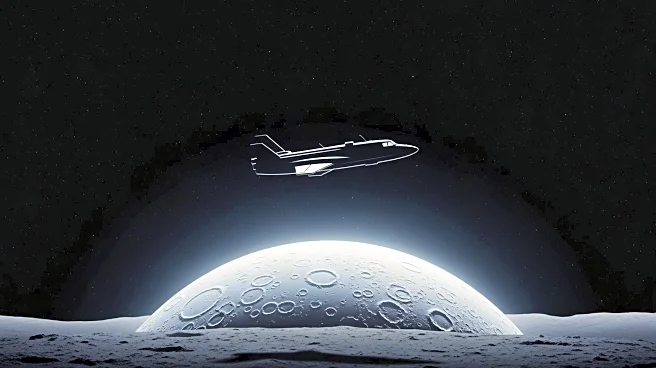
Upon reaching the Moon, Apollo 10's Command and Service Module (CSM) fired its engine to slow the spacecraft into a lunar orbit. The crew conducted observations and photographed planned landing sites, including the Sea of Tranquility, where Apollo 11 would later land. Stafford and Cernan piloted the Lunar Module (LM) to within 14.4 kilometers of the lunar surface, testing its systems and procedures for a lunar landing.
The LM's flight included a close approach to the lunar surface, allowing the crew to survey the planned landing site for Apollo 11. Their observations confirmed the site's suitability, providing NASA with the confidence needed for the historic mission.
Return to Earth
After completing 31 orbits of the Moon, Apollo 10's crew prepared for their return journey to Earth. The spacecraft's engine fired to set Apollo 10 on a trajectory back home, achieving the highest speed ever attained by a crewed vehicle during reentry.
The crew performed observational activities and broadcasted views of the Earth and Moon during their return trip. Apollo 10's successful mission paved the way for Apollo 11's lunar landing, demonstrating the capabilities of the mission hardware and systems.
Apollo 10's journey to the Moon and its operations in orbit were crucial in preparing for the first lunar landing. The mission's success underscored the importance of thorough testing and evaluation, setting a standard for future space exploration endeavors.