


Instant noodles have become a global culinary phenomenon, known for their convenience and affordability. From their invention in Japan to their widespread popularity across the world, instant noodles have undergone significant evolution. This article traces the development and global impact of instant noodles, highlighting key milestones in their journey.
The Birth of Instant Noodles
The invention of instant noodles is credited to Momofuku Ando of Nissin Foods in Japan. In 1958,
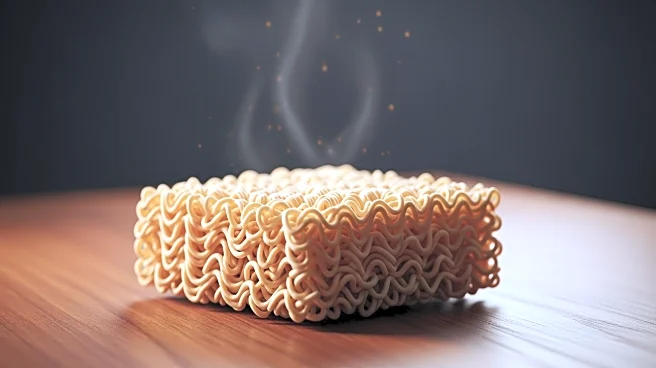
Ando introduced the world to Chikin Ramen, the first instant noodle product. This innovation involved flash-frying cooked noodles to create a dried block that could be easily rehydrated with boiling water. The convenience and long shelf life of instant noodles quickly made them a popular choice in Japan.
The success of Chikin Ramen led to further innovations, including the introduction of Cup Noodles in 1971. This product featured noodles in a disposable cup, complete with seasoning and dried vegetables, allowing for a complete meal with just the addition of hot water. The concept of instant noodles in a cup revolutionized the way people consumed noodles, making them even more accessible and convenient.
Global Expansion and Popularity
Instant noodles gained international popularity in the 1960s and 1970s, particularly in the United States and other Western countries. The affordability and ease of preparation made them a staple in college dorms and busy households. As instant noodles spread across the globe, they were adapted to suit local tastes, with different flavors and ingredients being introduced in various regions.
Today, instant noodles are consumed in vast quantities worldwide, with billions of servings enjoyed each year. Countries like China, Indonesia, and South Korea are among the top consumers, with instant noodles becoming an integral part of their food culture. The versatility of instant noodles allows them to be enjoyed in a variety of ways, from simple soups to elaborate dishes with added proteins and vegetables.
The Future of Instant Noodles
As health consciousness rises, the instant noodle industry has responded with healthier options, such as low-sodium and whole-grain varieties. Manufacturers are also exploring new flavors and packaging innovations to cater to changing consumer preferences. Despite these changes, the core appeal of instant noodles—convenience and affordability—remains unchanged.
The evolution of instant noodles from a simple Japanese invention to a global staple is a testament to their enduring popularity. As they continue to adapt to modern tastes and lifestyles, instant noodles are likely to remain a beloved food for generations to come.