
Roasting is a popular cooking method that uses dry heat to cook food evenly, enhancing its flavor through caramelization and Maillard browning. This technique is suitable for meats and most root and bulb
vegetables, offering a unique taste and texture. This article explores the culinary art of roasting, highlighting its methods and the flavor transformations it brings.
The Art of Roasting
Roasting involves cooking food using dry heat, where hot air covers the food, cooking it evenly on all sides. The temperatures used in roasting are typically at least 150 °C (300 °F), achieved through an open flame, oven, or other heat sources. This method is ideal for slower cooking of meat in larger, whole pieces, allowing the flavors to develop fully.
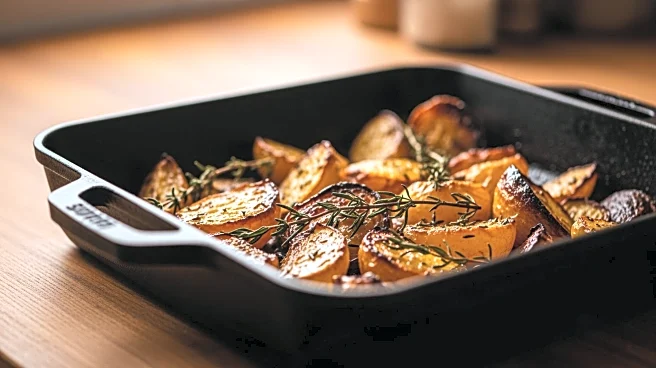
The process of roasting enhances the flavor of food through caramelization and Maillard browning on the surface. These chemical reactions create a rich, complex taste that is highly sought after in culinary dishes. Meats and vegetables prepared in this way are described as "roasted," such as roasted chicken or roasted squash.
Techniques and Methods
Various techniques can be employed in roasting, including placing food on a rack, in a roasting pan, or rotating it on a spit or rotisserie. Each method ensures even application of heat, contributing to the desired flavor and texture. The juice retained in the pan can be used for gravy or other accompaniments, adding depth to the dish.
Roasting can be done using different temperature plans: low-temperature cooking, high-temperature cooking, or a combination of both. Low-temperature ovens are best for large cuts of meat, turkey, and whole chickens, resulting in less moisture loss and a more tender product. High-temperature roasting is beneficial for tender cuts, providing a browned exterior while maintaining a juicy center.
Flavor Transformations and Culinary Applications
Roasting transforms the flavor of food, making it a preferred method for cooking meats and vegetables. The process breaks down the structure and collagen in meat, allowing juices to come out, resulting in a juicy and flavorful dish. Basting with butter, lard, or oil during roasting reduces moisture loss, enhancing the taste further.
In recent times, plastic oven bags have become popular for roasts, cutting cooking times and reducing moisture loss. However, they may reduce flavor development from Maillard browning, making the dish more akin to stew or pot roast.
Roasting is one of the oldest forms of cooking, traditionally done over an open fire. Today, it remains a staple in culinary practices, offering a unique taste and texture that is cherished by food enthusiasts worldwide.