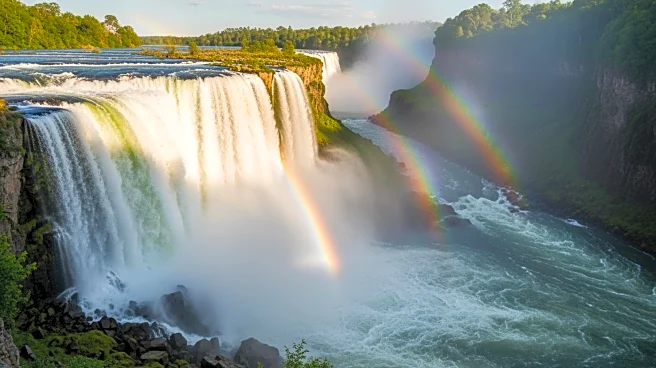


Victoria Falls, one of the world's largest and most famous waterfalls, has a rich history that dates back centuries. Located on the Zambezi River at the border between Zambia and Zimbabwe, the falls have been a site of cultural and historical significance for the local communities and explorers alike. Known as Mosi-oa-Tunya, or 'The Smoke That Thunders,' the falls have captivated the imaginations of people from around the globe.
Early Exploration and Discovery
The history of Victoria
Falls is deeply intertwined with the exploration of Africa. The falls were first brought to international attention by Scottish explorer David Livingstone in 1855. Livingstone, who was on a mission to explore the African continent, named the falls after Queen Victoria. His discovery marked the beginning of Victoria Falls' prominence on the world stage, attracting explorers and adventurers eager to witness its grandeur.
Before Livingstone's arrival, the falls were known to the indigenous Lozi and Tonga people, who held them in high spiritual regard. The name Mosi-oa-Tunya reflects the cultural significance of the falls, symbolizing the power and majesty of nature. The falls have been a site of spiritual importance for centuries, with local tribes considering them a sacred place.
Development and Tourism Growth
The development of Victoria Falls as a tourism destination began in the early 20th century. The construction of the Victoria Falls Bridge in 1905 connected Southern Rhodesia (now Zimbabwe) to Northern Rhodesia (now Zambia), facilitating travel and trade. The bridge became a vital link for transportation and commerce, contributing to the growth of the town of Victoria Falls.
Throughout the 20th century, Victoria Falls experienced several economic booms, driven by tourism and infrastructure development. The town became a principal center for visitors, offering accommodations and activities that showcased the falls' natural beauty. The establishment of national parks and conservation areas further enhanced the region's appeal, attracting nature enthusiasts and adventure seekers.
Modern-Day Significance
Today, Victoria Falls continues to be a major tourist attraction, drawing visitors from all over the world. The falls are a UNESCO World Heritage Site, recognized for their natural beauty and ecological importance. The town of Victoria Falls has grown into a vibrant hub, offering a range of activities and experiences for tourists.
The falls' historical significance is celebrated through various cultural events and exhibitions, highlighting their role in exploration and discovery. As a symbol of adventure and natural wonder, Victoria Falls remains a testament to the enduring allure of Africa's landscapes. The preservation of its history and environment ensures that future generations can continue to experience the magic of Mosi-oa-Tunya.