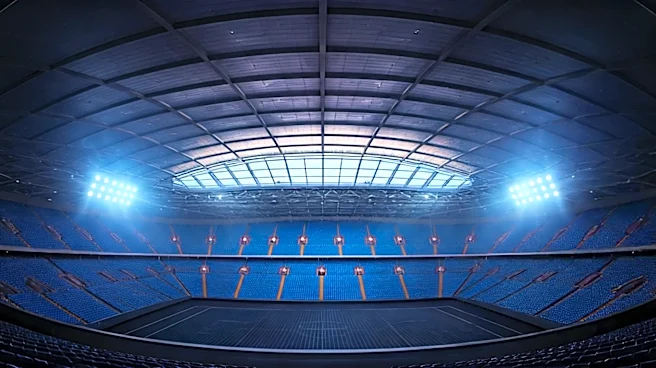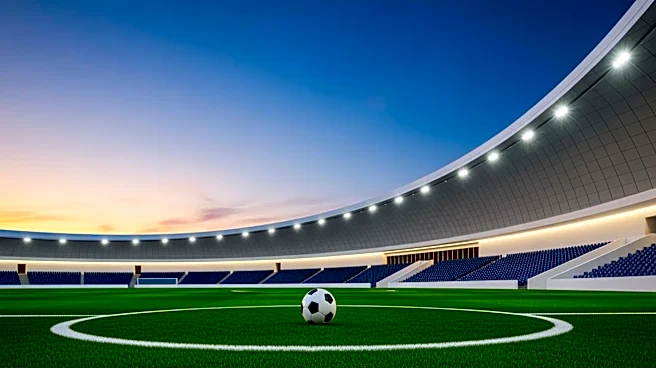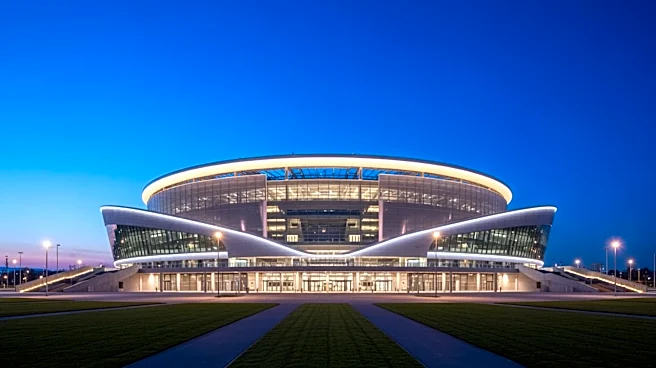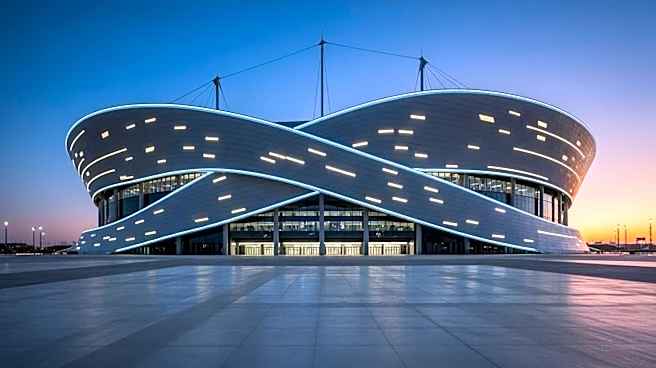

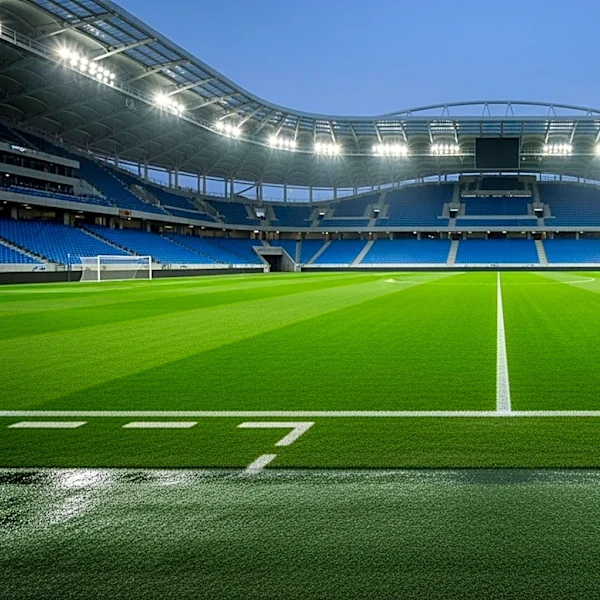



The Estádio Nacional Mané Garrincha in Brasília, Brazil, underwent a significant transformation in preparation for the 2014 FIFA World Cup. Originally opened in 1974, the stadium was completely rebuilt to meet the requirements of hosting such a prestigious event. This reconstruction not only increased its capacity but also modernized its facilities, making it one of the largest stadiums in Brazil.
The Need for Reconstruction
The decision to reconstruct the Estádio Nacional Mané
Garrincha was driven by the need to accommodate the large crowds expected for the 2014 FIFA World Cup. The original stadium, with a capacity of 45,200, was insufficient for the anticipated demand. In 2010, the stadium was demolished to make way for a new structure that could hold 72,788 spectators. This expansion made it the second-largest stadium in Brazil, only surpassed by the Maracanã Stadium in Rio de Janeiro.
The reconstruction involved significant changes to the stadium's design. The lower tier was dismantled, and the upper tier was retained and integrated into a new rectangular bowl. This design not only increased seating capacity but also improved sightlines for spectators. The playing field was also reduced in size to create a football-specific stadium, enhancing the experience for both players and fans.
Modernization and Cost
The modernization of the Estádio Nacional Mané Garrincha was a massive undertaking, with the project costing approximately US$900 million. This figure far exceeded the original budget of US$300 million, making it one of the most expensive stadiums in the world. Despite the high cost, the investment was seen as necessary to provide a world-class venue for the World Cup.
The new stadium featured state-of-the-art facilities, including improved seating, enhanced accessibility, and modern amenities for spectators. The reconstruction also included the installation of a new roof, which provided better protection from the elements and improved acoustics within the stadium. These upgrades ensured that the Estádio Nacional Mané Garrincha could host not only football matches but also other events, making it a multipurpose arena.
Legacy and Impact
The reconstruction of the Estádio Nacional Mané Garrincha had a lasting impact on Brasília and the surrounding region. The stadium became a key component of the Ayrton Senna Sports Complex, which includes other sports facilities and venues. Since 2019, the stadium and its surroundings have been under private administration, ensuring its continued maintenance and use.
Hosting the 2014 FIFA World Cup brought international attention to Brasília and showcased the city's ability to host large-scale events. The stadium's increased capacity and modern facilities have made it a popular venue for concerts, sporting events, and other cultural activities. The transformation of the Estádio Nacional Mané Garrincha stands as a testament to Brazil's commitment to providing world-class sports infrastructure.