






The concept of office hours has long been a staple of work culture, dictating when employees are expected to be present and available for work. However, as the nature of work evolves, so too does the impact of office hours on employee well-being and organizational culture. This article delves into how traditional office hours influence modern work environments and the shifts occurring in response to changing societal needs.
Traditional Office Hours and Work Culture
Traditional office hours,
typically from 9 a.m. to 5 p.m., have shaped the work culture in many industries. This schedule establishes a clear boundary between work and personal life, providing structure and predictability. For many, these hours represent stability and routine, allowing employees to plan their lives around a consistent work schedule.
However, the rigidity of traditional office hours can also lead to challenges. Employees may struggle to balance personal responsibilities with work commitments, leading to stress and burnout. The expectation to be physically present during these hours can limit flexibility and hinder work-life balance, particularly for those with caregiving responsibilities or long commutes.
The Shift Towards Flexibility
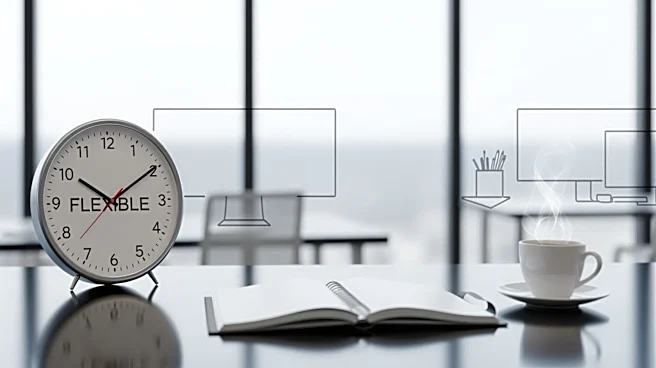
In recent years, there has been a growing shift towards more flexible work arrangements. Many organizations are adopting flextime policies, allowing employees to choose their working hours within certain parameters. This shift acknowledges the diverse needs of the workforce and the importance of accommodating different lifestyles and personal commitments.
Flexible office hours can enhance employee well-being by reducing stress and increasing job satisfaction. Employees who have control over their schedules are often more productive and engaged, as they can work during their most productive hours. This flexibility also supports a healthier work-life balance, enabling employees to manage personal responsibilities more effectively.
The Role of Technology
Technology plays a significant role in reshaping the concept of office hours. With the rise of remote work and digital communication tools, employees can now work from anywhere, at any time. This has led to the blurring of boundaries between work and personal life, as employees may feel compelled to be available outside of traditional office hours.
While technology offers greater flexibility, it also presents challenges. The expectation to be constantly connected can lead to overwork and burnout. To address this, some organizations are implementing policies that encourage employees to disconnect after work hours, promoting a healthier work-life balance.
In conclusion, the concept of office hours continues to evolve in response to changing work environments and societal needs. While traditional office hours provide structure, the shift towards flexibility and the role of technology are reshaping how we think about work and employee well-being. As organizations adapt to these changes, finding the right balance between structure and flexibility will be key to fostering a positive work culture.