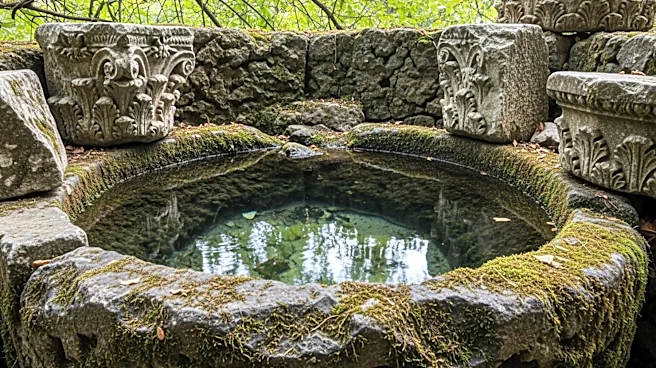







In ancient Rome, vivariums played a crucial role in the cultural and entertainment landscape. These enclosures were used to keep wild animals, which were then showcased in hunts and other forms of public entertainment, particularly in amphitheaters. The use of vivariums highlights the Romans' fascination with exotic wildlife and their desire to display power and control over nature.
Vivariums and Roman Entertainment
The Romans were known for their grand spectacles, and vivariums were integral
to these events. Animals kept in these enclosures were often used in gladiatorial games and hunts, providing thrilling entertainment for the masses. The presence of such animals in the arena was a testament to the reach and influence of the Roman Empire, as many of these creatures were sourced from distant lands.
One notable vivarium was located near the Prenestina Gate in Rome. This facility was strategically placed to facilitate the transport of animals to the Colosseum, where they would be part of the day's events. The logistics of managing these animals required careful planning and organization, underscoring the importance of vivariums in Roman society.
Practical Uses of Vivariums
Beyond entertainment, vivariums also served practical purposes in ancient Rome. They were used to study and observe the behavior of various species, contributing to the Romans' understanding of the natural world. This knowledge was valuable not only for entertainment purposes but also for practical applications, such as hunting and agriculture.
The Romans' use of vivariums reflects their broader approach to nature, which combined elements of curiosity, control, and exploitation. By keeping and studying animals in these enclosures, the Romans were able to harness the power of nature for their own purposes, whether for entertainment or practical use.
Legacy of Roman Vivariums
The concept of the vivarium has endured through the centuries, evolving into the modern enclosures we see today in zoos and research facilities. The Roman approach to vivariums laid the groundwork for future developments in animal husbandry and wildlife management.
While the methods and purposes have changed, the fundamental idea of creating controlled environments to observe and interact with nature remains. The legacy of Roman vivariums is evident in the continued fascination with and study of the natural world, a testament to the enduring impact of these ancient enclosures.