


Bentonite is a type of clay that forms from the weathering of volcanic ash. This process involves a series of geological transformations that result in the unique properties of bentonite, such as its high water absorption capacity. This article explores the geological origins of bentonite, shedding light on the natural processes that contribute to its formation.
The Role of Volcanic Activity
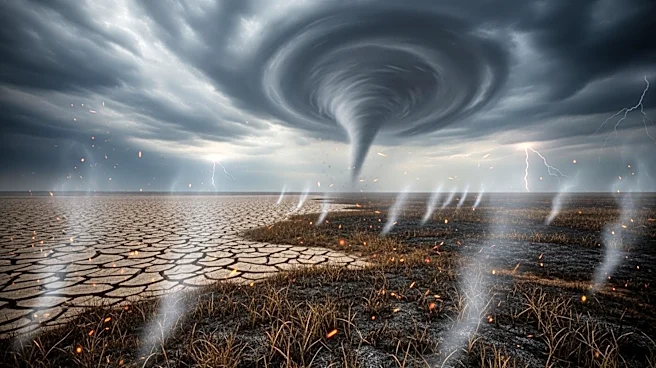
The formation of bentonite begins with volcanic eruptions, which release ash into the atmosphere.
This ash eventually settles on the ground, where it undergoes chemical and physical changes over time. The presence of water is crucial in this process, as it facilitates the transformation of volcanic ash into clay minerals.
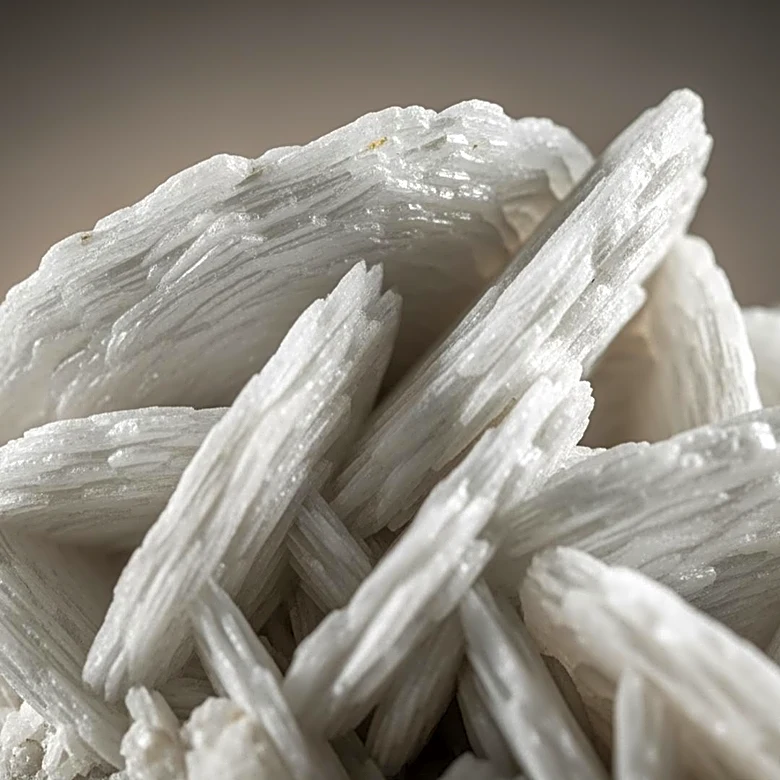
Bentonite primarily consists of montmorillonite, a type of smectite clay known for its swelling properties. The volcanic ash, rich in silica and other minerals, interacts with water to form this clay. The specific conditions under which the ash is deposited, such as temperature and pressure, influence the characteristics of the resulting bentonite.
Sedimentary Environments and Bentonite Formation
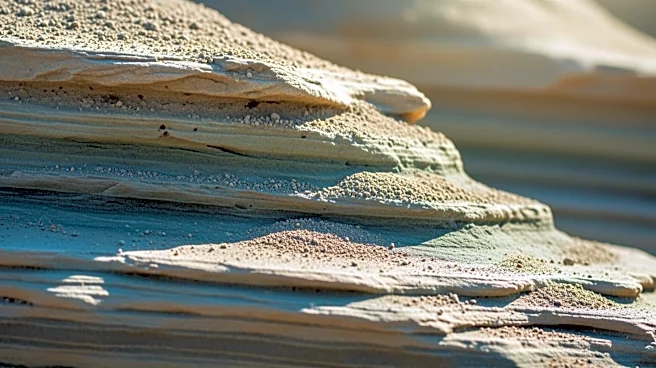
Bentonite typically forms in sedimentary environments, where layers of volcanic ash accumulate over time. These environments are often marine settings, where the ash is deposited in water and gradually buried by other sediments. The low-energy conditions of these settings allow for the slow transformation of ash into clay.
The process of desilicification, where silica is removed from the ash, plays a significant role in the formation of bentonite. This process enhances the clay's ability to absorb water, contributing to its swelling properties. The resulting bentonite layers can vary in thickness, depending on the amount of ash deposited and the duration of the transformation process.
Global Distribution of Bentonite Deposits
Bentonite deposits are found worldwide, with significant occurrences in the United States, China, and Greece. The United States is a major producer of bentonite, with deposits primarily located in Wyoming. These deposits are the result of ancient volcanic activity and subsequent geological processes that transformed the ash into clay.
The distribution of bentonite deposits is influenced by the geological history of a region, including past volcanic activity and sedimentary conditions. Understanding these factors provides insight into the availability and quality of bentonite resources, which are essential for various industrial applications.
The geological formation of bentonite is a complex process that involves the interplay of volcanic activity, sedimentary environments, and chemical transformations. This natural process results in a material with unique properties, making bentonite a valuable resource for numerous industries.