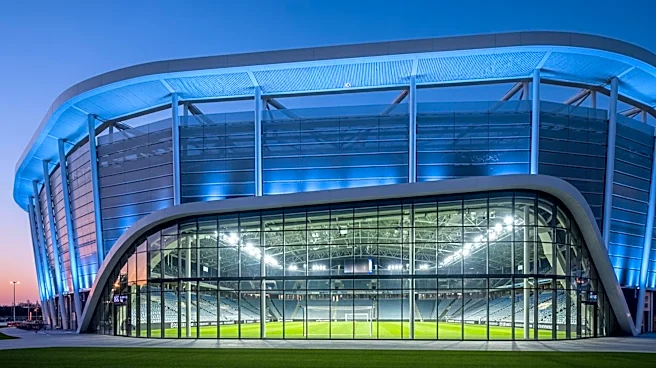

Volksparkstadion is more than just a sports venue; it is a cultural and social landmark in Hamburg, Germany. Since its opening in 1953, the stadium has played a significant role in the city's identity,
serving as a gathering place for sports fans and a venue for major cultural events. This article explores the cultural and social impact of Volksparkstadion on the city of Hamburg and its residents.
A Gathering Place for Sports Enthusiasts
As the home ground of Hamburger SV, Volksparkstadion has been a central hub for football fans in Hamburg. The stadium's atmosphere during matches is electric, with fans passionately supporting their team. This sense of community and shared experience is a vital part of the stadium's cultural significance.
The stadium's role extends beyond local football matches. It has hosted international events, such as the FIFA World Cup and UEFA European Championships, bringing together fans from around the world. These events have not only boosted the local economy but also fostered a sense of pride among Hamburg residents, showcasing their city on the global stage.
A Venue for Cultural Events
Volksparkstadion's influence is not limited to sports. It has also been a venue for major cultural events, including concerts by world-renowned artists. Performers like Michael Jackson, Coldplay, and Beyoncé have graced the stage at Volksparkstadion, attracting fans from across Germany and beyond.
These concerts have transformed the stadium into a cultural hotspot, drawing diverse audiences and contributing to Hamburg's vibrant cultural scene. The stadium's ability to host such large-scale events highlights its versatility and importance as a cultural venue.
The Social Impact on Hamburg
The presence of Volksparkstadion has had a lasting social impact on Hamburg. It has become a symbol of the city's resilience and ability to host major international events. The stadium's renovations and modernizations over the years reflect Hamburg's commitment to maintaining its status as a leading city for sports and culture.
Moreover, the stadium has contributed to the local economy by attracting tourists and creating jobs. The influx of visitors during major events boosts local businesses, from hotels and restaurants to transportation services. This economic impact is a testament to the stadium's role as a vital part of Hamburg's social fabric.
In conclusion, Volksparkstadion is more than just a sports venue; it is a cultural and social landmark that has shaped the identity of Hamburg. Its influence extends beyond the pitch, impacting the city's culture, economy, and community. As a symbol of Hamburg's spirit, Volksparkstadion continues to play a crucial role in the city's cultural landscape.