



The rear delt fly is a versatile exercise that can be performed using various types of equipment, each offering unique benefits. Whether you opt for dumbbells or a dedicated machine, understanding the equipment options can help you maximize the effectiveness of your workout and achieve your fitness goals.
Dumbbells: A Versatile Choice
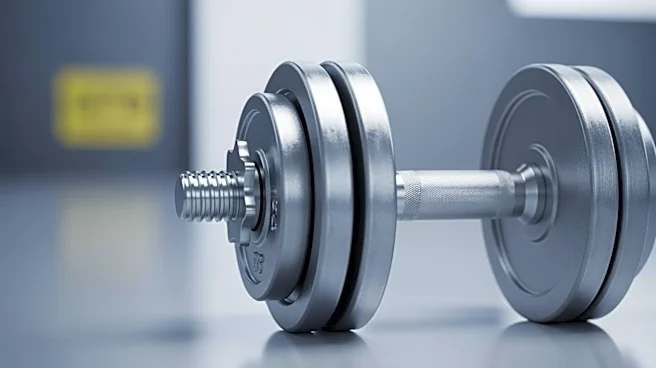
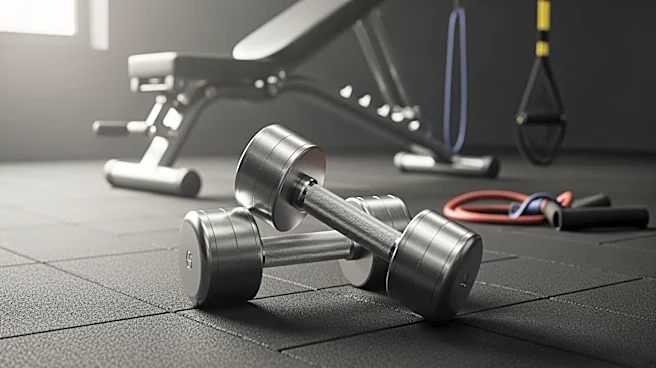
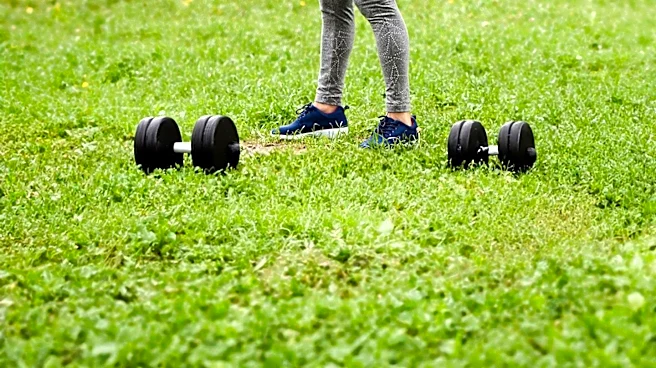
Dumbbells are a popular choice for performing rear delt flies due to their versatility and accessibility. They allow individuals to perform the exercise
in different settings, whether at home or in the gym. Dumbbells also enable unilateral training, which can help address muscle imbalances by allowing each arm to work independently.
When using dumbbells for rear delt flies, the individual typically bends forward at the hips, allowing the arms to hang down before lifting them out to the sides. This setup helps maintain focus on the rear deltoids while minimizing the involvement of other muscle groups. Dumbbells are particularly beneficial for those who prefer a more flexible workout routine, as they can be easily incorporated into various exercises.
Machines: Precision and Support
For those who prefer a more structured approach, machines designed for rear delt flies offer precision and support. These machines often provide a fixed path for the arms, which can help maintain proper form and reduce the risk of injury. The machine setup usually involves sitting with the chest supported and the arms positioned to move outward against resistance.
Machines are particularly beneficial for beginners who are still mastering the technique, as they provide guidance and stability throughout the exercise. Additionally, machines often come with adjustable settings, allowing users to customize the resistance and range of motion to suit their needs. This adaptability can be advantageous for those recovering from injuries or looking to gradually increase their strength.
Choosing the Right Equipment
When deciding between dumbbells and machines for rear delt flies, it's important to consider your personal preferences and fitness goals. Dumbbells offer flexibility and the ability to perform the exercise anywhere, while machines provide support and precision. Both options can effectively target the rear deltoids, so the choice ultimately depends on what works best for you.
For those with space and budget constraints, dumbbells are a cost-effective option that can be used for a variety of exercises. On the other hand, if you have the resources to invest in a dedicated machine, it can be a valuable addition to your home gym, offering convenience and support for your workouts.