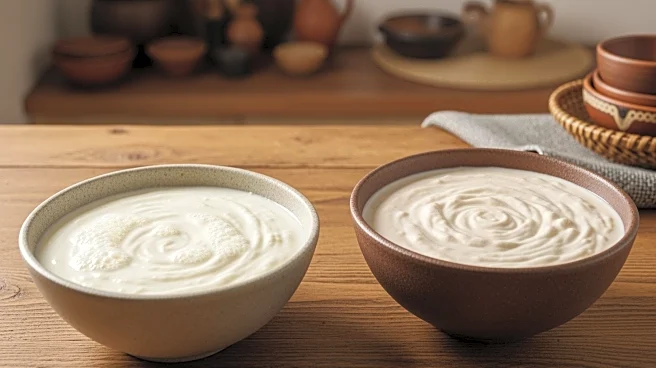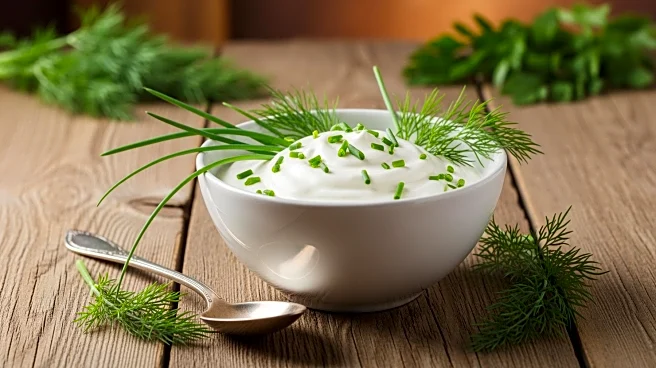




Smetana, a sour cream-like dairy product, is a staple in Central and Eastern European cuisine. Known for its rich texture and versatility, smetana is used in a variety of dishes, from soups to desserts. This article delves into the culinary applications of smetana, highlighting its role in traditional recipes and its unique properties that make it a favorite among chefs and home cooks alike.
Smetana in Traditional Dishes
Smetana is a key ingredient in many traditional dishes across
Central and Eastern Europe. In Russian cuisine, it is commonly served with blini, a type of pancake, and red caviar roe. This combination is a classic appetizer that showcases the creamy texture of smetana, which complements the salty taste of caviar. Similarly, in Ukrainian and Belarusian cuisines, smetana is often added to borscht, a beet soup, enhancing its flavor and providing a smooth consistency.
In Polish cuisine, smetana is used as a topping for pierogi, dumplings filled with various ingredients such as potatoes, cheese, or meat. The addition of smetana adds richness to the dish, balancing the flavors and making it more satisfying. In Slovakia, smetana is incorporated into bryndzové halušky, a dish of potato dumplings with sheep cheese, where it adds a creamy element that complements the tangy cheese.
Versatility in Cooking
One of the reasons smetana is so popular in cooking is its ability to withstand high temperatures without curdling. This makes it ideal for use in meat stews, such as beef Stroganoff, where it is added towards the end of cooking to create a rich, creamy sauce. Hungarian cooks use smetana in paprikas, a dish of meat cooked with paprika and other spices, where it helps to mellow the heat and add depth to the sauce.
Smetana is also used in baking, where its high fat content contributes to moist, tender cakes and pastries. In Germanic cuisines, it is used in Schmandkuchen, a type of cake that features a creamy topping made from smetana and quark. This combination results in a dessert that is both rich and refreshing, with a subtle tang from the dairy products.
Smetana as a Condiment
Beyond its use in cooking and baking, smetana is a popular condiment. It is often served alongside savory dishes, providing a creamy contrast to spicy or salty flavors. In Serbia, smetana is consumed with meaty meals or cold cuts, where it acts as a cooling agent that balances the richness of the meat.
In vegetable salads, smetana is used as a dressing, adding creaminess and enhancing the flavors of fresh produce. Its mild taste allows it to blend well with various ingredients, making it a versatile addition to many dishes. Whether used as a topping, filling, or sauce, smetana's unique properties make it an indispensable part of Central and Eastern European cuisine.