
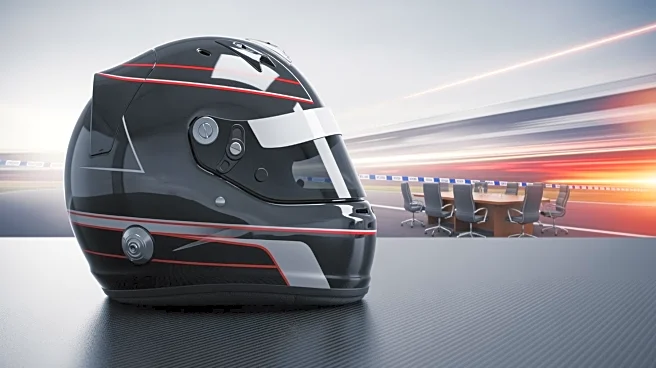

Balance of Performance (BoP) is a crucial regulation in the world of auto racing, particularly in sports car racing. It is designed to ensure that no single manufacturer dominates a racing class or series by adjusting various vehicle parameters. This article explores the concept of BoP, its mechanisms, and its significance in maintaining competitive fairness in racing.
The Concept of Balance of Performance
In sports car racing, the Balance of Performance is a regulation that maintains
parity between competing vehicles. It does so by adjusting the limits and parameters of a vehicle, such as horsepower, weight, engine management, and aerodynamics. The primary goal of BoP is to prevent a single manufacturer from becoming dominant in a racing class or series. This regulation is essential in ensuring that races remain competitive and exciting for both participants and spectators.
The concept of BoP originated with the creation of Group GT3 in 2005 for the 2006 racing season. It was developed using experience from previous GT classes and aimed to allow the development of various racing models within a class without leading to an expensive development arms race between manufacturers. Over time, the BoP system has been adopted in other production-based racing categories, such as Group GT4, LM GTE, and TCR Touring Cars.
How Balance of Performance is Implemented
The implementation of BoP involves testing and analyzing a certain model's performance through previous races and, in some cases, between sessions in the same race weekend. For GT3 cars, for example, the SRO holds two balance of performance tests every year at Circuit Paul Ricard. These tests involve cars driven by racing drivers who already compete in them, allowing organizers to assess the performance of each car and balance the performance of the vehicles accordingly.
During these tests, cars are equipped with an organizer-supplied telemetry device to gather data for balancing the cars. New-to-class cars are also subject to wind tunnel and dynamometer testing. Once the results are obtained, various aspects of the car that can affect its performance, such as engine power, vehicle weight, and aerodynamics, are adjusted.
Challenges and Controversies in BoP
Despite its importance, the BoP system is not without its challenges and controversies. Some manufacturers have been accused of sandbagging, where a car purposely underperforms during a test or certain races to receive favorable results later. For instance, rival teams accused the Ford GT of sandbagging during the 2016 FIA World Endurance Championship season.
To deter such practices, various rules have been implemented. For example, IMSA mandated that any car found to be sandbagging during the Roar Before the 24 testing session would serve a five-minute stop-and-go penalty during the race. These measures aim to maintain the integrity and fairness of the BoP system, ensuring that it continues to serve its purpose in the competitive world of auto racing.