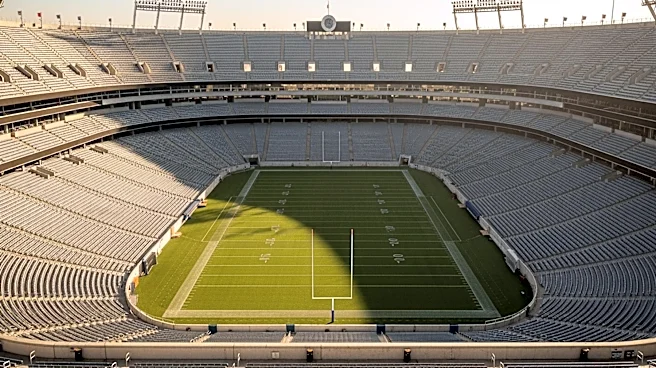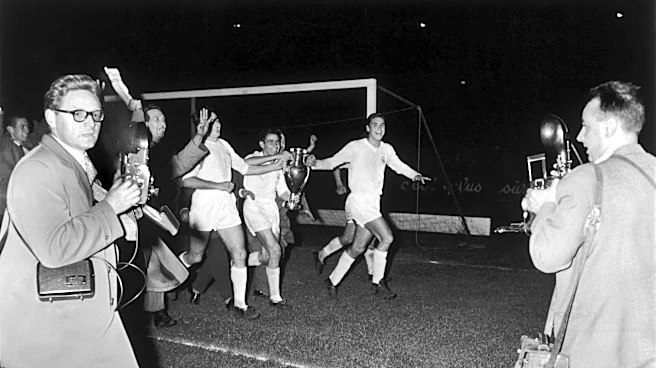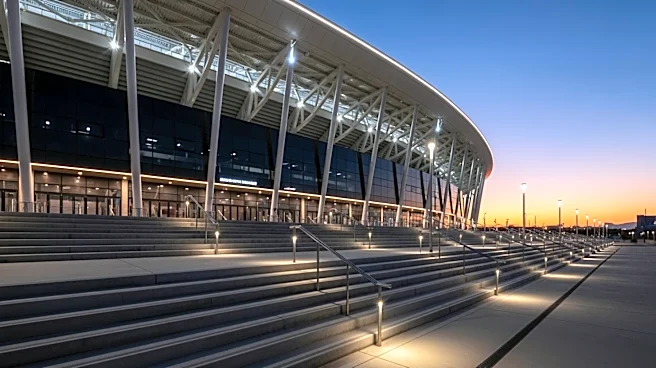



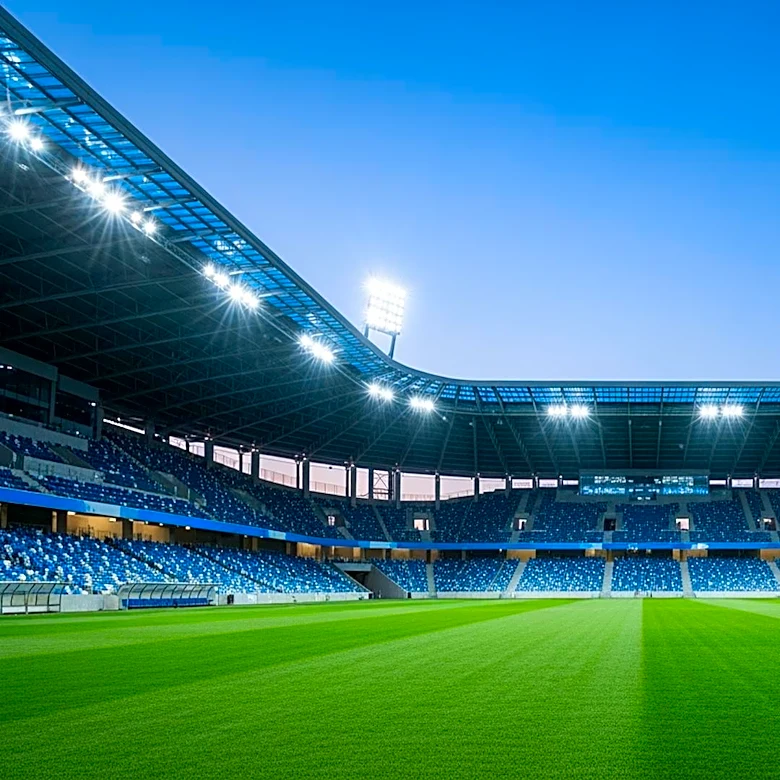


Stade Geoffroy-Guichard, located in Saint-Étienne, France, is a stadium with a rich history and a series of transformations that have shaped its current form. Known for hosting football matches and other sporting events, the stadium has undergone several renovations since its inception. This article explores the historical development of Stade Geoffroy-Guichard, highlighting key milestones and changes over the years.
Early Beginnings and Initial Construction
The construction of Stade Geoffroy-Guichard
began in 1930, initiated by Pierre Guichard, the son of Geoffroy Guichard, after whom the stadium is named. Geoffroy Guichard was the founder of the Casino retail group and purchased the land on which the stadium was built. The original design, crafted by architects Étienne Thierry Meyer and Michael Saidoun, featured a field surrounded by a 400-meter running track and a 1,000-seat stand. Beneath the stand were changing rooms, showers, and offices, accommodating a total capacity of about 1,800 people.
The stadium officially opened on September 13, 1931, with AS Saint-Étienne playing their first match there shortly after. Over the next few years, the stadium saw gradual expansions, including the addition of a second stand in 1936, which increased the capacity to 15,000 spectators. By 1957, the stadium had evolved to accommodate 30,000 spectators, marking a significant growth from its original capacity.
Major Renovations and Expansions
Stade Geoffroy-Guichard has undergone several major renovations to meet the demands of international sporting events. In preparation for the UEFA Euro 1984, the stadium received a substantial upgrade, adding 15,000 seats and a new roof. This renovation allowed the stadium to host two matches during the tournament, including a memorable game between France and Yugoslavia.
Further renovations took place in the late 1990s to prepare for the 1998 FIFA World Cup. These changes included the installation of new floodlights, the addition of balcony seats, and the replacement of terraces with steps and seats. The stadium's capacity was adjusted to 35,616 all-seated spectators, ensuring compliance with FIFA standards.
Recent Developments and Modernization
In 2011, another wave of renovations began, aimed at modernizing the stadium and increasing its capacity to 41,965 seats. This project included enclosing the four stands, creating VIP areas, and adding a panoramic restaurant. The renovations were completed in time for the UEFA Euro 2016, where the stadium hosted several matches.
Today, Stade Geoffroy-Guichard stands as a testament to the evolving nature of sports venues, adapting to the needs of both local and international events. Its rich history and continuous development reflect the passion for football in Saint-Étienne and the commitment to providing a world-class venue for fans and athletes alike.