


The capture of Guam during the Spanish-American War marked a significant moment in U.S. military history. This event, which occurred in 1898, was a bloodless engagement that resulted in the United States taking control of the island from Spain. The strategic importance of Guam was recognized by the U.S. Navy, which sent the USS Charleston to secure the island. The Spanish garrison, unaware of the war, surrendered without resistance, making the capture of Guam a unique
and pivotal moment in the conflict.
The Background of the Capture
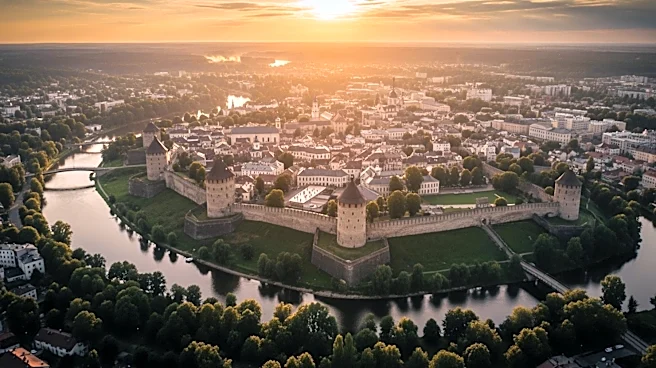
Guam had been under Spanish control since 1668, but by the time of the Spanish-American War, the island had been largely neglected. The Spanish military presence was minimal, and the last communication from Spain had been received in April 1898, a month before the war was declared. This lack of information left the Spanish garrison on Guam unaware of the hostilities between Spain and the United States.
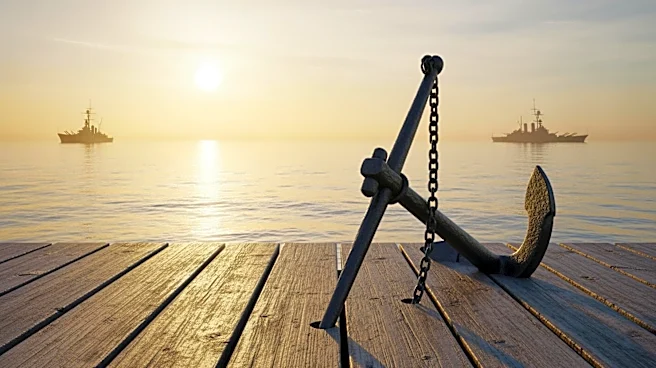
The U.S. Navy, under the command of Captain Henry Glass, set sail from San Francisco to Manila with orders to capture Guam. The USS Charleston, accompanied by transport ships, was tasked with using necessary force to secure the island. The orders included making prisoners of the governor and other officials, destroying fortifications, and capturing any Spanish naval vessels present.
The Bloodless Engagement
On June 20, 1898, the USS Charleston arrived off the coast of Guam. The cruiser fired 13 rounds at the old Spanish fortress, which the local officials mistakenly believed to be a salute. When informed of the war and the hostile intent of the shots, the Spanish officials were astonished, having received no prior notice of the conflict.
The Spanish garrison, lacking the means to resist, surrendered without a fight. The U.S. forces took control of the island, marking the only conflict of the Spanish-American War on Guam. The capture was swift and bloodless, with the Spanish officials paroled and the island's defenses dismantled.
Aftermath and Significance
Following the capture, Guam was officially ceded to the United States in the Treaty of Paris in December 1898. The island was classified as a naval station, governed by a naval officer. This strategic acquisition allowed the U.S. to establish a significant military presence in the Pacific, which continues to this day.
The capture of Guam demonstrated the effectiveness of naval power and strategic planning in warfare. It also highlighted the importance of communication and intelligence in military operations. The event paved the way for the U.S. to expand its influence in the Pacific region, setting the stage for future engagements and territorial acquisitions.