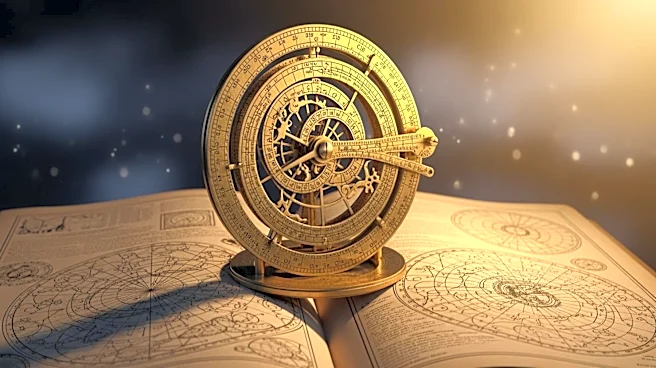




Astrology has long fascinated humanity, with planets playing a central role in its practice. Historically, the understanding of planets in astrology differs significantly from the astronomical perspective. This article delves into the historical development of planetary roles in astrology, tracing their significance from ancient times to modern interpretations.
Ancient Understanding of Planets
In ancient times, before the advent of telescopes, the night sky was perceived as a combination
of fixed stars and moving objects, known as "wandering stars." These wandering stars, which included the five planets visible to the naked eye, along with the Sun and Moon, were considered planets in astrology. The Greeks, learning from the Babylonians, included these celestial bodies in their astrological practices, referring to them as the Sacred 7 Luminaires.
The ancients believed that these planets represented the will of deities, directly influencing human affairs. This belief was shared by various cultures, including the Babylonians, Greeks, Persians, and Romans. The planets were even associated with gods and were used to name the days of the week, a tradition that persists in modern times.
Evolution of Planetary Symbolism
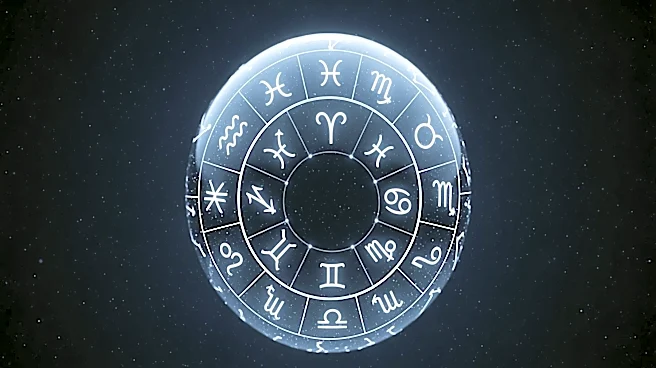
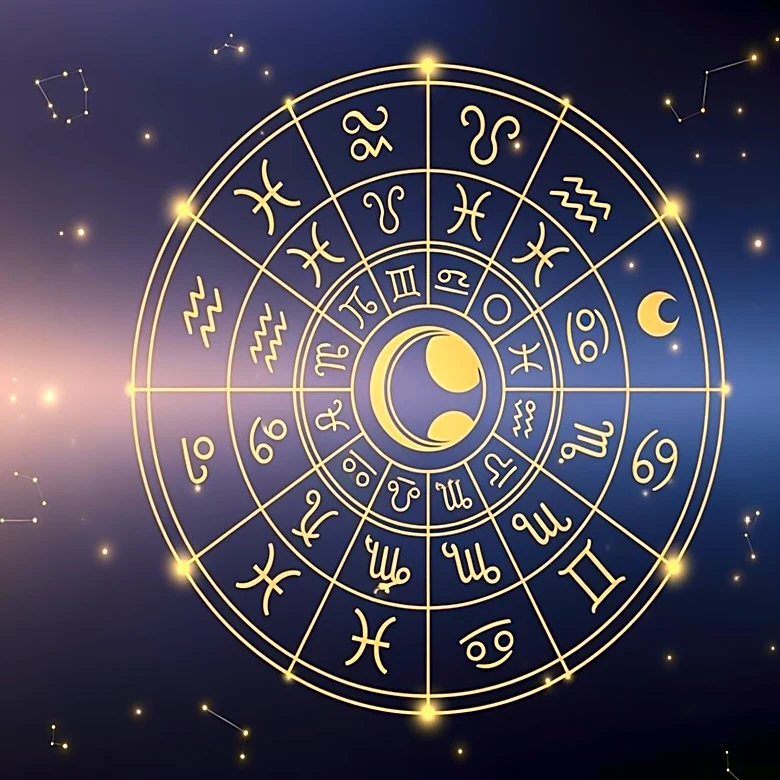
As astrology evolved, so did the symbolism associated with planets. In modern astrology, planets are seen as representing basic drives or subconscious urges. They are thought to express themselves through the 12 zodiac signs and houses, influencing human experiences and behaviors. The planets are also related to each other through aspects, which are angles formed between them in a natal chart.
Modern astrologers differ in their views on how planets influence human characteristics and destinies. Some believe that planets exert influence through gravitational forces, while others see them as mirrors of universal organizing principles. This latter view suggests that the patterns formed by planets reflect fundamental human impulses, echoing the ancient belief in their divine influence.
The Integration of Modern Discoveries
With the invention of the telescope, new planets were discovered, leading to their integration into astrological practices. Uranus, Neptune, and Pluto, often referred to as the outer planets, are considered to have generational influences, affecting entire societies rather than individuals. Their discovery marked a significant shift in astrology, as meanings were assigned based on historical events occurring at the time of their discovery.
Despite these modern additions, traditional astrology still holds the seven classical planets in high regard. The integration of new celestial bodies continues to shape astrological interpretations, reflecting the dynamic nature of this ancient practice. As astrology evolves, the historical significance of planets remains a cornerstone, bridging ancient beliefs with contemporary understanding.