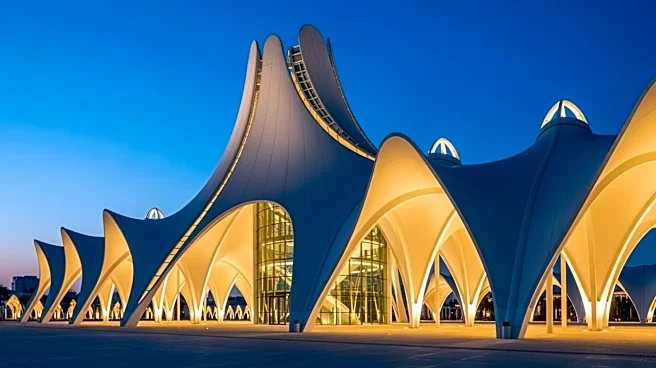









The 2026 FIFA U-17 World Cup marks a significant shift in the landscape of youth football. Scheduled to be held in Qatar, this tournament is notable for its expanded format, featuring 48 teams from six confederations. This change reflects FIFA's ongoing efforts to broaden the reach and impact of the sport at the youth level. The host selection process and the tournament's new structure are key elements that define this edition of the U-17 World Cup.
Host Selection and Controversies
The decision to award Qatar the hosting rights for the 2026 FIFA U-17 World Cup was part of a broader strategy by FIFA to consolidate the hosting of multiple editions into a single package. This approach was announced in November 2023, with Qatar being selected to host the tournament from 2025 to 2029. The choice of Qatar as the host has not been without controversy. Some member associations, such as Denmark, expressed dissatisfaction with the process, claiming that FIFA's decision to bundle the hosting rights was not clearly communicated.
The controversy surrounding Qatar's selection is further compounded by ongoing criticisms related to human rights issues. These concerns echo those raised during Qatar's hosting of the 2022 FIFA World Cup, where allegations of migrant worker exploitation were prominent. Despite these challenges, Qatar's role as the host for the U-17 World Cup represents a continuation of its involvement in major international football events.
Expanded Tournament Format
The 2026 edition of the FIFA U-17 World Cup will feature an expanded format, with 48 teams participating. This is a significant increase from the previous 24-team format, reflecting FIFA's commitment to inclusivity and global representation in youth football. The teams will be drawn into twelve groups of four, with the host nation, Qatar, automatically seeded into Pot 1 and placed in Group A.
The expansion allows for a greater diversity of teams, with countries like Greece, Montenegro, and Mozambique making their debut in the tournament. This broader participation is expected to enhance the competitive nature of the event and provide a platform for emerging football nations to showcase their talent on the world stage.
Implications for Youth Football
The changes introduced in the 2026 FIFA U-17 World Cup have significant implications for the development of youth football globally. By increasing the number of participating teams, FIFA aims to provide more opportunities for young players to gain international experience. This exposure is crucial for the growth of the sport, as it helps nurture future stars and promotes football as a unifying force across different cultures and regions.
Moreover, the tournament's expanded format is likely to influence the strategies of national football associations, encouraging them to invest more in youth development programs. As the world prepares for this landmark event, the 2026 FIFA U-17 World Cup stands as a testament to the evolving nature of international football and its potential to inspire the next generation of players.