





The American Museum of Natural History (AMNH) in New York City is more than just a repository of scientific knowledge; it is a cultural institution that has had a profound impact on education and public engagement with science. Through its exhibits, educational programs, and outreach efforts, the museum has played a significant role in shaping public understanding of the natural world. This article examines the cultural impact of the AMNH, highlighting
its influence on education and its role in promoting scientific literacy.
Educational Programs and Outreach
The AMNH is committed to education and outreach, offering a wide range of programs designed to engage learners of all ages. The museum's educational initiatives include school programs, teacher workshops, and public lectures, all aimed at fostering a deeper understanding of science and the natural world. These programs are designed to complement the museum's exhibits, providing visitors with opportunities to explore topics in greater depth.
One of the museum's flagship educational programs is the Lang Science Program, which offers students in grades 5 through 12 the chance to participate in hands-on research and science education. The program is designed to inspire the next generation of scientists by providing students with access to the museum's collections and the opportunity to work alongside researchers. Through initiatives like the Lang Science Program, the AMNH is helping to cultivate a passion for science and discovery among young learners.
Promoting Scientific Literacy
The AMNH plays a crucial role in promoting scientific literacy, making complex scientific concepts accessible to the general public. The museum's exhibits are designed to engage visitors with interactive displays, immersive dioramas, and multimedia presentations that bring the wonders of the natural world to life. By presenting science in an engaging and approachable manner, the AMNH helps to demystify complex topics and encourages visitors to explore and learn.
The museum's efforts to promote scientific literacy extend beyond its walls, with initiatives like the Moveable Museum, which brings museum-quality exhibits to schools and community centers throughout New York City. This mobile museum allows the AMNH to reach a wider audience, providing access to science education for students who may not have the opportunity to visit the museum in person. Through programs like the Moveable Museum, the AMNH is working to ensure that science education is accessible to all.
Influence on Popular Culture
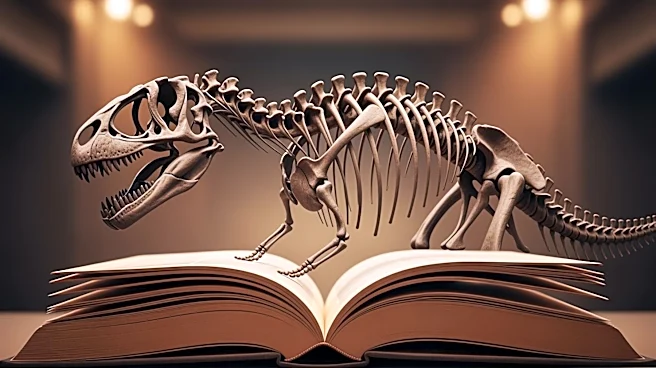
The AMNH has also had a significant influence on popular culture, serving as a backdrop for numerous films, television shows, and books. The museum's iconic exhibits, such as the towering dinosaur skeletons and the life-sized dioramas, have captured the imagination of audiences around the world. The AMNH's presence in popular culture has helped to raise awareness of the museum and its mission, inspiring curiosity and interest in the natural world.
One of the most notable examples of the AMNH's influence on popular culture is the film "Night at the Museum," which features the museum as a central setting. The film's success has introduced the AMNH to a global audience, sparking interest in the museum and its exhibits. By serving as a cultural touchstone, the AMNH has helped to foster a sense of wonder and curiosity about the natural world, encouraging people of all ages to explore and learn.
Conclusion
The American Museum of Natural History is a cultural institution that has had a lasting impact on education and public engagement with science. Through its educational programs, efforts to promote scientific literacy, and influence on popular culture, the museum has played a vital role in shaping public understanding of the natural world. As the AMNH continues to innovate and expand its reach, it remains a beacon of knowledge and inspiration, encouraging future generations to explore, discover, and appreciate the wonders of the natural world.