




Cutting boards are essential tools in any kitchen, but they can also be a source of contamination if not properly maintained. Understanding the hygiene and safety considerations of different cutting board materials is crucial for preventing foodborne illnesses. This article delves into the science behind cutting board hygiene and offers tips for maintaining a safe cooking environment.
Wood vs. Plastic: A Hygiene Debate
The debate over whether wood or plastic cutting boards are more
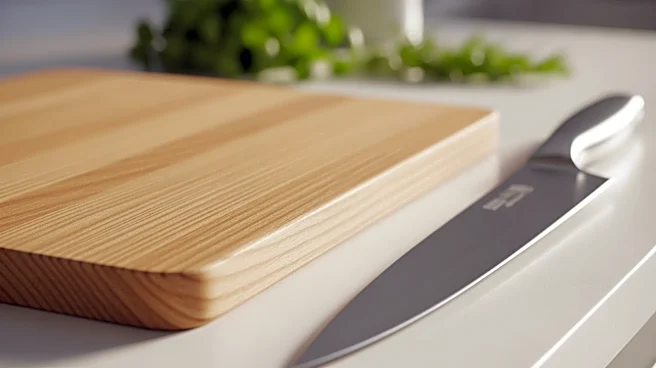
hygienic has been ongoing for years. Wood is often praised for its natural antiseptic properties, which can help reduce bacterial contamination. Hardwoods like maple and teak are particularly effective due to their tight grains and small pores, which limit the absorption of liquids and bacteria.
Plastic cutting boards, on the other hand, are non-porous and can be easily sanitized with harsh cleaning chemicals like bleach. This makes them a popular choice for handling raw meat, as they can be thoroughly cleaned without damaging the board. However, plastic boards can become deeply scored over time, creating grooves that trap bacteria and food particles.
Preventing Cross-Contamination
To minimize the risk of cross-contamination, it is recommended to use separate cutting boards for different types of food. For example, one board can be designated for raw meat, while another is used for fruits and vegetables. This practice helps prevent the transfer of harmful bacteria from raw meat to other foods.
Color-coded cutting boards are often used in professional kitchens to further reduce the risk of cross-contamination. Each color represents a specific type of food, making it easy for kitchen staff to quickly identify the appropriate board for each task.
Maintenance and Replacement
Regardless of the material, regular maintenance is essential for keeping cutting boards safe and hygienic. Wooden boards should be oiled regularly to prevent cracking and warping, while plastic boards should be replaced when they become heavily scored.
A diluted bleach solution can be used to disinfect cutting boards, with the USDA recommending a ratio of one tablespoon of bleach per gallon of water. For wooden boards, a combination of lemon juice and kosher salt can help remove odors and smooth minor surface imperfections.
Ultimately, the key to cutting board hygiene is proper maintenance and regular replacement. By understanding the strengths and weaknesses of each material, you can make informed decisions that keep your kitchen safe and your food free from contamination.