



Reblochon cheese stands out among French cheeses for its distinct characteristics and traditional production methods. Originating from the Alpine region of Haute-Savoie, this soft washed-rind cheese is known for its rich flavor and unique texture. Understanding what makes Reblochon special involves delving into its production process, the types of milk used, and its culinary applications.
Production Process and Ingredients
Reblochon is traditionally made from raw cow's milk, with the
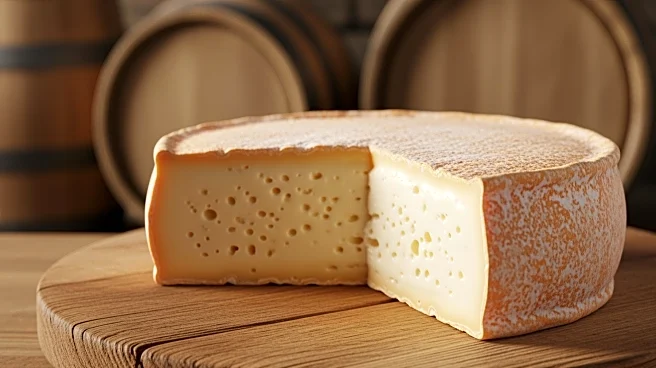
best milk sourced from specific breeds such as Abondance, Tarentaise, and Montbéliarde. These breeds are renowned for producing milk that contributes to the cheese's rich and nutty flavor. The cheese measures approximately 14 cm across and 3-4 cm thick, weighing an average of 450 grams.
The production process involves smear-ripening, a technique that enhances the cheese's flavor and texture. The cheese is aged for 6-8 weeks, during which it develops its characteristic washed rind and soft center. This aging process is crucial for achieving the cheese's signature taste, which lingers pleasantly in the mouth.
Flavor Profile and Culinary Uses
Reblochon cheese is celebrated for its nutty taste, which remains in the mouth long after the cheese has been enjoyed. Its soft and uniform center makes it a versatile ingredient in various dishes. One of the most popular culinary applications is in tartiflette, a Savoyard gratin made with potatoes, bacon, and onions. This dish showcases the cheese's ability to enhance flavors and textures, making it a favorite in French cuisine.
The cheese's flavor profile is distinct from other washed-rind cheeses, offering a unique experience for cheese enthusiasts. Its combination of a soft texture and robust taste makes it a sought-after ingredient in both traditional and modern recipes.
Challenges and Adaptations
Despite its popularity, Reblochon cheese faces challenges in international markets, particularly in the United States. Due to import laws requiring pasteurization, the cheese has been unavailable in the U.S. since 2004. This has led to the development of substitutes like Delice du Jura, which aim to replicate Reblochon's flavor and texture while complying with regulations.
These adaptations highlight the cheese's enduring appeal and the efforts to maintain its presence in global markets. As producers continue to innovate while preserving traditional methods, Reblochon cheese remains a beloved staple in French culinary heritage.