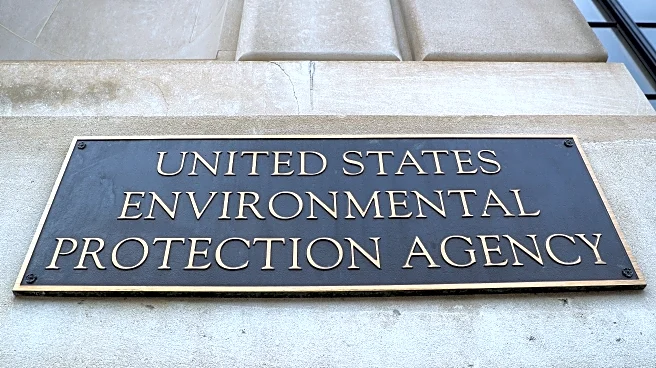



The United States Environmental Protection Agency (EPA) was established to address the growing environmental challenges facing the nation. As outlined in Reorganization Plan No. 3, the EPA was designed to be a strong, independent agency with a comprehensive mandate. This article explores the specific roles and responsibilities of the EPA as defined by its founding directive.
Establishing Environmental Standards
One of the primary functions of the EPA is to establish and enforce environmental
protection standards that align with national environmental goals. This involves setting regulations that govern air and water quality, waste management, and the use of hazardous substances. By creating these standards, the EPA aims to reduce pollution and protect public health and the environment.
The agency is also responsible for conducting research on the adverse effects of pollution and developing methods and equipment for controlling it. This research is crucial for understanding the impact of pollutants and for informing policy decisions that enhance environmental protection efforts.
Monitoring and Enforcement
The EPA plays a vital role in monitoring environmental conditions and enforcing compliance with established standards. This includes gathering information on pollution levels and using this data to strengthen environmental programs. The agency has the authority to take enforcement actions against violators, ensuring that environmental laws are upheld.
In addition to enforcement, the EPA provides technical assistance and grants to support pollution control initiatives. By assisting other organizations and governments, the EPA helps to expand the reach of environmental protection efforts and encourages collaborative approaches to tackling pollution.
Policy Development and Advocacy
Another key responsibility of the EPA is to assist the Council on Environmental Quality in developing and recommending new policies for environmental protection. This involves advocating for legislative changes and promoting practices that enhance sustainability and conservation.
The EPA's role in policy development is critical for adapting to emerging environmental challenges and ensuring that the nation's environmental laws remain effective. By working closely with other federal agencies and stakeholders, the EPA helps to shape a comprehensive and coordinated approach to environmental governance.
The establishment of the EPA marked a significant advancement in the United States' commitment to environmental protection. Through its diverse roles and responsibilities, the agency continues to play a central role in safeguarding the nation's natural resources and promoting a healthier environment for all Americans.