






The Charter of the Organization of American States (OAS) is a foundational document that outlines the principles and objectives of the OAS. Signed in 1948, the charter serves as a framework for cooperation among the member states, guiding the organization's efforts to promote peace, security, and democracy in the Americas. This article explores the key elements of the charter and its significance in fostering collaboration among American nations.
The Signing of the Charter
The Charter of the OAS was signed on April 30, 1948, at the Ninth International Conference of American States in Bogotá, Colombia. This event marked a significant step towards formalizing the cooperation among American countries, as representatives from 21 nations came together to endorse the charter. The signing of the charter was a reflection of the shared commitment to addressing common challenges and promoting mutual respect among the member states.
The charter set out the objectives and principles that would guide the OAS, emphasizing the importance of peace, security, and democracy. It highlighted the need for collaboration in addressing regional issues, such as economic development and human rights. By establishing a common framework for cooperation, the charter laid the groundwork for a more unified approach to tackling the challenges facing the Americas.
Amendments to the Charter
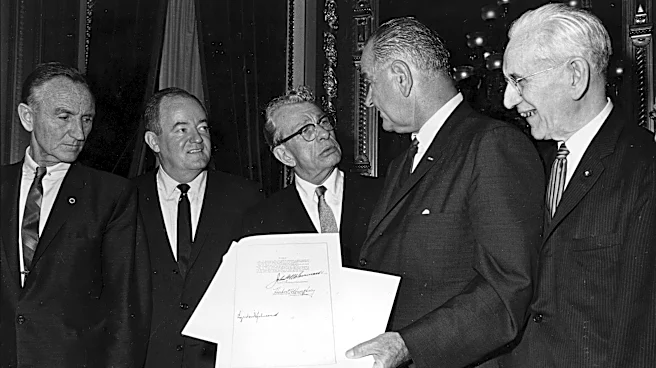
Since its inception, the Charter of the OAS has undergone several amendments to adapt to the changing needs of the region. These amendments have been made through protocols, each addressing specific aspects of the charter to enhance its effectiveness. Notable amendments include the Protocol of Buenos Aires in 1967, the Protocol of Cartagena in 1985, the Protocol of Washington in 1992, and the Protocol of Managua in 1993.
Each of these protocols introduced changes to the charter, reflecting the evolving priorities and challenges of the member states. For instance, the Protocol of Buenos Aires restructured the organization, while the Protocol of Washington focused on strengthening democratic governance. These amendments demonstrate the OAS's commitment to remaining relevant and responsive to the needs of its members.
The Role of the Charter in the OAS
The Charter of the OAS serves as the foundation for the organization's activities, providing a clear framework for cooperation among the member states. It outlines the roles and responsibilities of the various bodies within the OAS, including the General Assembly, which is the supreme decision-making body. The charter also sets out the procedures for decision-making, ensuring that all member states have a voice in the organization's affairs.
The charter's emphasis on peace, security, and democracy has been instrumental in guiding the OAS's efforts to address regional challenges. By promoting dialogue and collaboration, the charter has helped to foster a sense of unity among the member states, enabling them to work together towards common goals. The OAS's continued commitment to the principles outlined in the charter underscores its role as a vital platform for cooperation in the Americas.
The Charter of the Organization of American States is a cornerstone of inter-American relations, providing a framework for collaboration and mutual respect among the nations of the Western Hemisphere. Through its principles and objectives, the charter continues to guide the OAS in its mission to promote peace, security, and democracy in the region.