
Heirloom tomatoes are cherished for their rich flavors and diverse appearances, offering a taste of tradition in a world dominated by hybrid varieties. These open-pollinated, non-hybrid cultivars are grown
for their unique characteristics and historical significance. This article delves into the world of heirloom tomatoes, examining their distinct features and why they continue to captivate gardeners and food enthusiasts.
Characteristics and Varieties
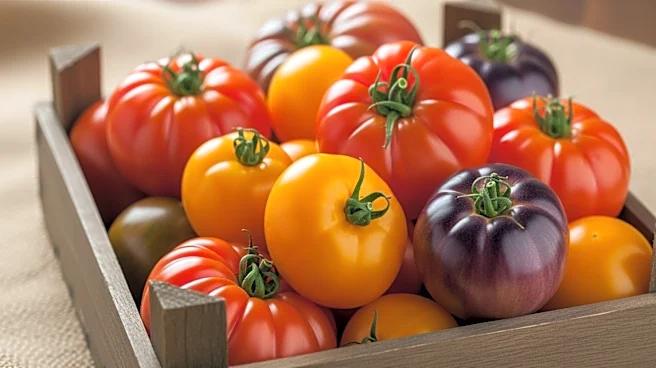
Heirloom tomatoes are known for their wide range of colors, shapes, and sizes. Unlike hybrid tomatoes, heirlooms are open-pollinated, meaning they can reproduce true to type from seeds. This allows gardeners to save seeds from year to year, preserving the genetic diversity of these plants.
Some of the most famous heirloom varieties include Brandywine, Cherokee Purple, and Green Zebra. Each variety offers a unique flavor profile, often sweeter and more complex than their hybrid counterparts. Heirloom tomatoes lack a genetic mutation that gives tomatoes a uniform red color, which is common in industrial varieties. This mutation, while visually appealing, often comes at the cost of flavor, making heirlooms a preferred choice for those seeking a more authentic taste.
Cultivation and Challenges
Growing heirloom tomatoes can be both rewarding and challenging. These plants are often less disease-resistant than hybrids, requiring careful attention and management. Heirlooms can also be prone to cracking, but with proper care, they can thrive in a variety of climates.
Gardeners often acclimate heirloom cultivars to their local environment over several seasons, selecting seeds from the best-performing plants. This process helps improve the plants' resilience and yield, ensuring a successful harvest. Despite the challenges, many gardeners find the effort worthwhile, as heirloom tomatoes offer a connection to the past and a chance to enjoy flavors that have been cherished for generations.
The Appeal of Heirloom Tomatoes
The appeal of heirloom tomatoes extends beyond their taste and appearance. For many, growing heirlooms is a way to preserve agricultural heritage and maintain biodiversity. These tomatoes offer a glimpse into the past, showcasing the rich history of tomato cultivation and the diverse varieties that have been developed over time.
Heirloom tomatoes are also popular among chefs and food enthusiasts who appreciate their unique flavors and textures. They are often featured in gourmet dishes, adding depth and complexity to salads, sauces, and more. As interest in sustainable and organic farming grows, heirloom tomatoes continue to gain popularity, offering a delicious and meaningful alternative to mass-produced varieties.