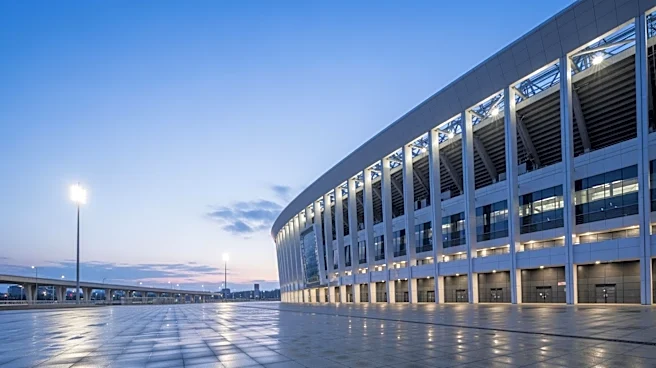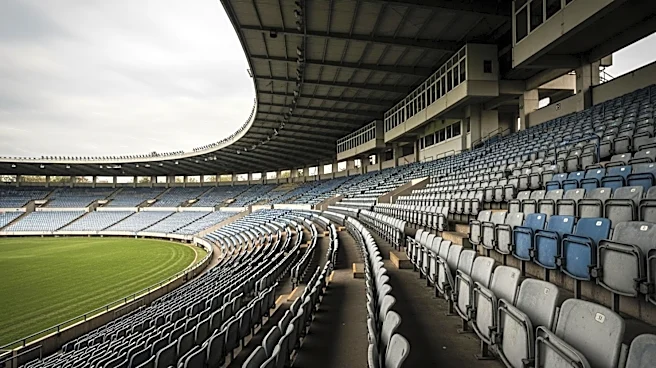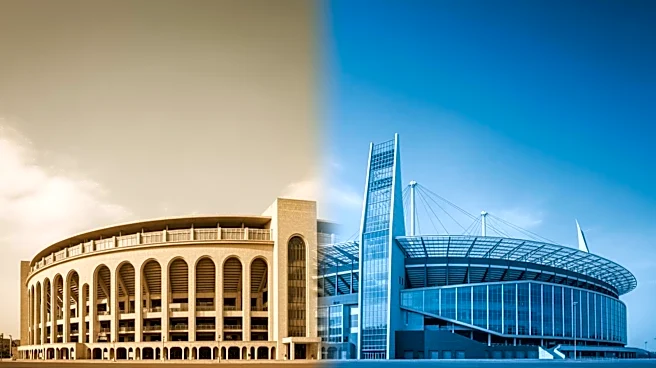







Malmö Stadion has been a significant landmark in Malmö, Sweden, since its inauguration in 1958. Over the decades, it has hosted numerous football matches, athletic events, and concerts, becoming a central part of the city's cultural and sporting life. This article explores the history of Malmö Stadion, from its construction to its eventual demolition in 2025, highlighting its role in the community and its legacy.
The Birth of Malmö Stadion
Malmö Stadion was officially opened
on May 28, 1958, coinciding with the FIFA World Cup hosted by Sweden that year. The stadium was designed by the architectural firm Jaenecke & Samuelson, who also designed the Nya Ullevi in Gothenburg. The construction of Malmö Stadion was a significant undertaking, as it was intended to be a premier venue for both football and athletics.
The stadium quickly became the home ground for Malmö FF, one of Sweden's most successful football clubs. Over the years, it hosted numerous national and international matches, including the European Football Championship in 1992. The stadium's design and capacity made it a versatile venue for various events, contributing to its long-standing popularity.
A Venue for Memorable Events
Throughout its history, Malmö Stadion was not only a sports venue but also a cultural hub. It hosted major concerts, including a memorable performance by the band KISS in 2010, which drew over 22,000 spectators. The stadium's ability to accommodate large crowds made it an ideal location for significant events in Malmö.
In addition to concerts, Malmö Stadion was a venue for athletic competitions. In 1991, the stadium witnessed a world record in pole vaulting set by Sergei Bubka during an athletics gala. Such events cemented the stadium's reputation as a premier location for both sports and entertainment.
The End of an Era
Despite its historical significance, Malmö Stadion faced challenges in the 21st century. By 2015, plans were announced for its demolition, with the process beginning in November 2025. The decision to demolish the stadium was part of a broader plan to redevelop the area and build a new arena for athletics and football.
The demolition marked the end of an era for Malmö Stadion, but its legacy lives on. The stadium played a crucial role in the city's sporting and cultural history, leaving behind memories of thrilling matches and unforgettable performances. As Malmö continues to evolve, the spirit of Malmö Stadion remains a cherished part of the city's heritage.