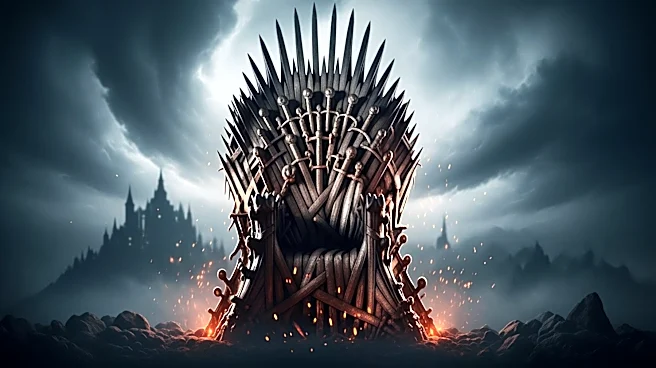








Game of Thrones, an American fantasy drama television series, captivated audiences worldwide from its debut in 2011 to its finale in 2019. Created by David Benioff and D. B. Weiss, the series is based on George R. R. Martin's novels, A Song of Ice and Fire. Over eight seasons, Game of Thrones became a cultural phenomenon, winning numerous awards and setting viewership records. This article explores the timeline and key milestones of the series, highlighting
its impact on television history.
The Beginning: A New Era in Fantasy Television
Game of Thrones premiered on HBO on April 17, 2011, introducing viewers to the fictional continents of Westeros and Essos. The series quickly gained a reputation for its high production values, complex characters, and intricate plotlines. The first season set the stage for the power struggles among noble families vying for control of the Iron Throne. The show's unique blend of fantasy and political intrigue attracted a diverse audience, establishing it as a groundbreaking series in the fantasy genre.
As the series progressed, Game of Thrones continued to push boundaries with its storytelling. The second season, which aired in 2012, expanded the narrative to include new characters and locations, further immersing viewers in the world of Westeros. The show's ability to balance multiple storylines and develop its characters contributed to its growing popularity. By the end of the third season in 2013, Game of Thrones had solidified its status as a must-watch series, with fans eagerly anticipating each new episode.
Peak Popularity: A Global Phenomenon
The fourth season of Game of Thrones, which aired in 2014, marked a turning point in the series' popularity. The show's dramatic plot twists and shocking character deaths kept viewers on the edge of their seats. The infamous "Red Wedding" episode became a cultural touchstone, demonstrating the series' willingness to defy expectations and deliver unforgettable moments. As the series continued, it attracted a record viewership on HBO and developed a broad, active, and international fan base.
Game of Thrones reached its peak during the fifth and sixth seasons, which aired in 2015 and 2016, respectively. The series received critical acclaim for its storytelling, acting, and production values. It won multiple Primetime Emmy Awards, including Outstanding Drama Series. The show's success led to increased interest in fantasy television, paving the way for other series in the genre.
The Final Chapter: Controversy and Legacy
The final season of Game of Thrones, which aired in 2019, was met with mixed reviews. While some praised the series for its ambitious storytelling and visual effects, others criticized the creative decisions and reduced length of the season. Despite the controversy, Game of Thrones left a lasting legacy in television history. It received 59 Primetime Emmy Awards, the most by a drama series, and inspired two prequel series, House of the Dragon and A Knight of the Seven Kingdoms.
Game of Thrones' impact on the television landscape is undeniable. It redefined the fantasy genre and set new standards for storytelling and production. As fans continue to debate the series' conclusion, its influence on popular culture remains strong.