
The 2014 FIFA World Cup semi-final between Brazil and Germany is etched in the memories of football fans as a moment of national heartbreak for Brazil. The 7-1 defeat, known as the "Mineirazo," was more
than just a loss on the field; it was a cultural and emotional event that resonated deeply with the Brazilian people. This article delves into the legacy of this match and its impact on Brazilian society and football.
A Nation in Shock
The Mineirazo took place on July 8, 2014, at the Mineirão stadium in Belo Horizonte. Brazil, a nation with a rich footballing history and five World Cup titles, was hosting the tournament and had high hopes of winning on home soil. The semi-final against Germany was expected to be a closely contested match, but the outcome was far from what anyone anticipated.
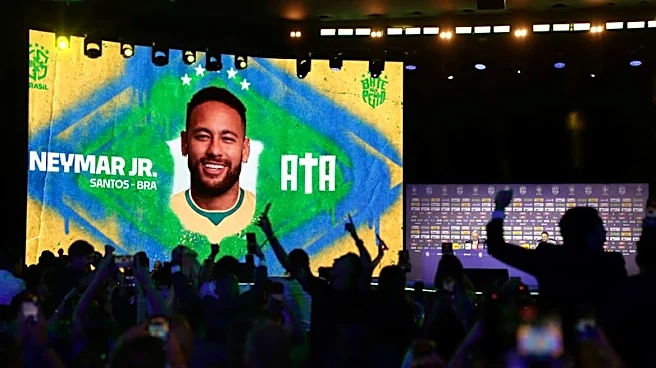
Germany's early dominance and rapid succession of goals left Brazilian fans in shock. By the 29th minute, Germany had scored five goals, effectively sealing Brazil's fate. The Brazilian team, missing key players like Neymar and Thiago Silva, struggled to respond. The final score of 7-1 was Brazil's worst defeat in World Cup history and a moment of national humiliation.
Cultural and Emotional Impact
The defeat was not just a sporting loss; it was a cultural event that affected the Brazilian psyche. Football is deeply ingrained in Brazilian culture, and the national team is a source of pride and identity. The Mineirazo evoked memories of the "Maracanazo," Brazil's loss to Uruguay in the 1950 World Cup, another painful chapter in the country's football history.
In the aftermath of the match, there was a sense of mourning and disbelief across Brazil. Fans were seen crying in the stands, and the streets were filled with a somber atmosphere. The loss led to introspection and discussions about the state of Brazilian football, with many questioning the team's tactics and preparation.
Moving Forward: Lessons and Changes
The Mineirazo prompted calls for change within Brazilian football. Critics pointed to the need for better player development and a more strategic approach to the game. The Brazilian Football Confederation faced pressure to reform and modernize its methods to compete with the evolving landscape of international football.
Despite the defeat, Brazil remains a footballing powerhouse, and the national team continues to be a symbol of hope and unity. The Mineirazo serves as a reminder of the unpredictability of the sport and the importance of resilience. It also highlights the emotional connection between football and national identity in Brazil.
As Brazil looks to the future, the lessons learned from the 2014 World Cup are likely to shape the country's approach to the game. The Mineirazo, while a painful memory, is also a catalyst for growth and improvement in Brazilian football.
The legacy of the Mineirazo extends beyond the pitch, reflecting the deep cultural significance of football in Brazil. It is a story of heartbreak, resilience, and the enduring spirit of a nation that continues to strive for greatness in the world of football.