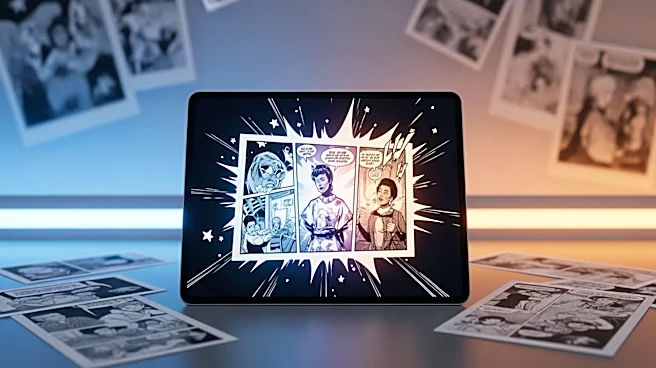








Webcomics have become a significant part of the digital landscape, offering a platform for artists to share their work with a global audience. These online comics have evolved from humble beginnings to a thriving industry, with some creators achieving financial success and critical acclaim. This article explores the history of webcomics, highlighting key developments and milestones that have shaped their growth.
Early Days of Webcomics
The concept of webcomics began in the
mid-1980s when Eric Millikin published "Witches and Stitches" on CompuServe. This marked the first instance of comics being shared through the internet, setting the stage for future developments. As the World Wide Web gained popularity in the 1990s, more creators began to explore the potential of this new medium. Early webcomics were often extensions of college newspaper strips, but the rise of the internet allowed for greater experimentation and creativity.
By the late 1990s, webcomics had started to gain traction, with creators like Scott McCloud advocating for the medium's potential. McCloud's concept of the "infinite canvas" encouraged artists to break free from traditional print dimensions, allowing for more dynamic storytelling. This period also saw the emergence of webcomics collectives, which provided a platform for artists to share their work and reach wider audiences.
Growth and Recognition
The early 2000s marked a turning point for webcomics, as the medium gained artistic recognition and financial viability. Creators like Richard Stevens and Jon Rosenberg were able to support themselves through merchandise sales and advertising revenue. The launch of platforms like Modern Tales and Webcomics Nation further legitimized webcomics as a professional pursuit, offering subscription-based access to curated content.
During this time, webcomics began to diversify in style and genre, attracting a broader audience. The success of webcomics like "xkcd" and "Questionable Content" demonstrated the medium's potential to reach millions of readers. Additionally, the rise of crowdfunding platforms like Kickstarter and Patreon provided new revenue streams for creators, allowing them to fund projects and connect directly with fans.
The Modern Webcomic Landscape
Today, webcomics continue to thrive, with many creators achieving mainstream success. The 2010s saw the rise of webtoons in South Korea, which have become a dominant force in the industry. These vertically scrolling comics have been adapted into animated series and print publications, further expanding their reach.
Webcomics have also become a platform for social commentary and cultural expression. In countries like China and India, webcomics are used to address political issues and promote social awareness. The medium's accessibility and global reach make it an ideal tool for artists to share their perspectives and engage with audiences worldwide.
As webcomics continue to evolve, they remain a testament to the power of the internet as a creative platform. With new technologies and distribution methods emerging, the future of webcomics is full of possibilities, promising even more innovation and diversity in the years to come.