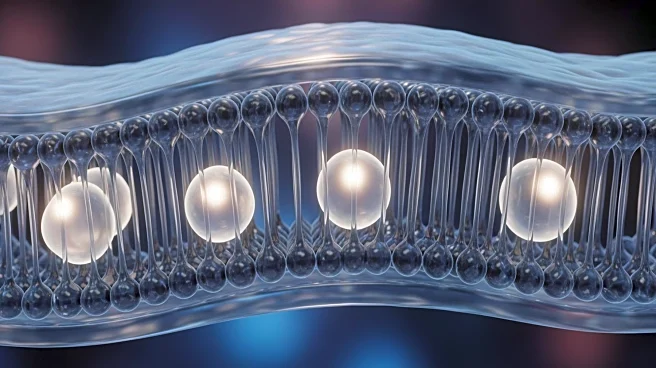




Ceramides are more than just structural components of cell membranes; they play a crucial role in cellular signaling. These waxy lipid molecules, composed of sphingosine and a fatty acid, are found in high concentrations within the cell membranes of eukaryotic cells. While initially thought to be mere structural elements, ceramides are now recognized for their involvement in regulating various cellular processes, including differentiation, proliferation,
and programmed cell death.
Ceramides and Cellular Differentiation
Ceramides are integral to the process of cellular differentiation, where cells develop into their specialized forms. This process is essential for the proper functioning of multicellular organisms, as it allows cells to perform specific roles. The presence of ceramides in cell membranes influences the signaling pathways that guide differentiation. By participating in these pathways, ceramides help ensure that cells develop correctly and maintain their specialized functions throughout their lifecycle.
In addition to differentiation, ceramides are involved in cellular proliferation, the process by which cells divide and multiply. This is crucial for growth, development, and tissue repair. Ceramides can regulate proliferation by interacting with signaling molecules that control the cell cycle. Their ability to influence these pathways highlights their importance in maintaining healthy cell populations and preventing uncontrolled cell growth, which can lead to diseases such as cancer.
Ceramides and Programmed Cell Death
Programmed cell death, or apoptosis, is a vital process that helps maintain cellular homeostasis by eliminating damaged or unnecessary cells. Ceramides play a significant role in apoptosis by acting as signaling molecules that trigger the death of cells. This function is particularly important in preventing the accumulation of potentially harmful cells that could lead to disease.
Research has shown that ceramide levels increase in response to various apoptotic stimuli, such as ionizing radiation and chemotherapeutic agents. This suggests that ceramides are involved in the biological responses to these treatments, potentially enhancing their effectiveness in targeting cancer cells. The ability of ceramides to induce apoptosis has earned them the nickname "tumor suppressor lipids," highlighting their potential in cancer therapy.
Mechanisms of Ceramide Signaling
The exact mechanisms by which ceramides function as signaling molecules are still being studied. One hypothesis is that ceramides enhance membrane rigidity and stabilize lipid rafts, which serve as platforms for signaling molecules. These rafts can link external signals to internal cellular responses, facilitating communication within the cell.
Additionally, ceramides have been shown to form large channels in the mitochondrial outer membrane, allowing the release of proteins from the intermembrane space. This process is crucial for the initiation of apoptosis, further underscoring the role of ceramides in cell death regulation. As research continues, the understanding of ceramide signaling will likely expand, revealing new insights into their functions and potential therapeutic applications.