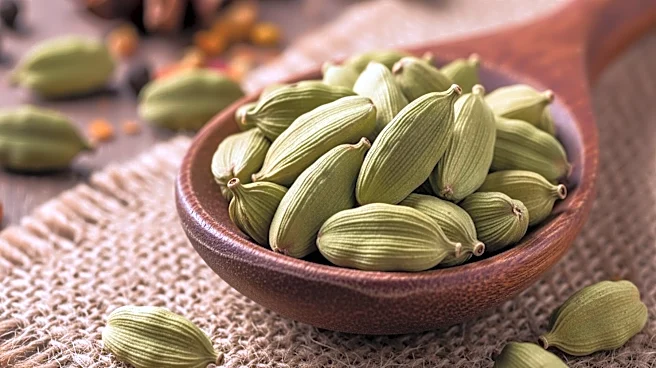





Cardamom, a spice derived from the seeds of plants in the genera Elettaria and Amomum, is a staple in kitchens around the world. Known for its aromatic and flavorful seeds, cardamom is used in a variety of culinary traditions, from Indian curries to Scandinavian pastries. This article explores the diverse culinary applications of cardamom, highlighting its role in different cuisines and its unique ability to enhance both sweet and savory dishes.
Cardamom in Indian Cuisine
In
India, cardamom is a common ingredient in both sweet and savory dishes. It is a key component in spice mixes such as masalas and is often used to flavor traditional Indian sweets. One of the most popular uses of cardamom in India is in masala chai, a spiced tea that combines cardamom with other spices like cinnamon and ginger. The spice's versatility allows it to be used in a wide range of dishes, from rich curries to delicate desserts.
Cardamom's presence in Indian cuisine is not just limited to its flavor. It is also used as a garnish in dishes like basmati rice, adding a fragrant aroma that enhances the overall dining experience. The seeds are sometimes chewed as a natural breath freshener, showcasing the spice's multifaceted role in Indian culinary traditions.
Cardamom in Middle Eastern and Scandinavian Cooking
In the Middle East, cardamom is a beloved spice used to flavor coffee and tea. The practice of grinding cardamom with coffee beans is common, creating a unique blend that is both aromatic and flavorful. This tradition highlights the spice's ability to complement and enhance the taste of beverages, making it a staple in Middle Eastern hospitality.
Scandinavian countries, particularly Sweden, Norway, and Finland, have embraced cardamom in their baking traditions. The spice is a key ingredient in treats like the Swedish Kardemummabullar sweet bun and Finnish pulla bread. Its warm, aromatic flavor pairs well with the sweetness of these baked goods, making it a cherished addition to Nordic culinary culture.
Cardamom's Global Influence
Beyond its traditional uses, cardamom has found its way into modern culinary creations. It is used in confectionery products, such as Wrigley's Eclipse Breeze Exotic Mint, where it is valued for its ability to neutralize breath odors. Cardamom is also a popular ingredient in aromatic bitters, gin, and herbal teas, showcasing its adaptability and enduring appeal.
The global influence of cardamom is a testament to its versatility and unique flavor profile. Whether used in traditional dishes or contemporary creations, cardamom continues to captivate chefs and home cooks alike, making it a timeless spice with a rich culinary legacy.