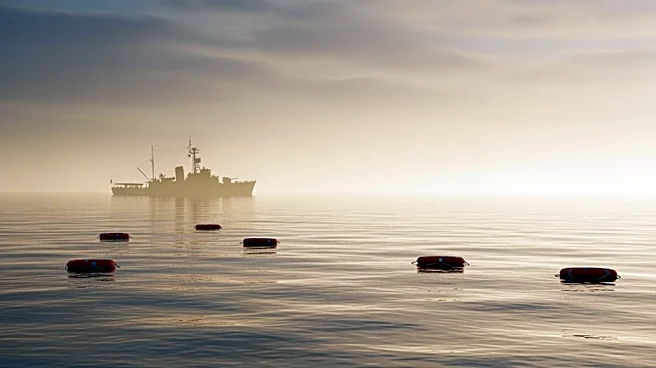







The Dunkirk evacuation, also known as Operation Dynamo, was a pivotal moment in World War II that saw the rescue of over 338,000 Allied troops from the beaches of Dunkirk, France. This operation, which took place between May 28 and June 4, 1940, was not just a miraculous escape but also a strategic maneuver that had significant implications for the Allied forces. Understanding the strategic importance of Dunkirk helps to appreciate how this event
shaped the course of the war.
The Context of the Evacuation
In the early stages of World War II, the German forces launched a rapid and aggressive campaign through Belgium, the Netherlands, and France. By May 1940, the German Army had successfully encircled a large number of Allied troops, including the British Expeditionary Force (BEF), French, and Belgian soldiers, in the area around Dunkirk. The situation was dire, as these troops were trapped with their backs to the sea and the German forces closing in.
The strategic importance of Dunkirk lay in the fact that the evacuation allowed the Allies to preserve a significant portion of their military strength. Had these troops been captured or destroyed, the Allies would have faced an even more challenging situation in defending against further German advances. The successful evacuation meant that these soldiers could be redeployed to defend Britain and prepare for future operations.
The Execution of Operation Dynamo
Operation Dynamo was a complex and risky operation that required meticulous planning and coordination. The Royal Navy, along with a flotilla of civilian vessels known as the "Little Ships of Dunkirk," played a crucial role in the evacuation. These vessels braved the threat of German air and naval attacks to ferry soldiers from the beaches to larger ships waiting offshore.
The operation was not without its challenges. The Luftwaffe, Germany's air force, conducted numerous sorties to disrupt the evacuation, and the German Army was advancing rapidly. However, the Allies managed to hold a defensive perimeter around Dunkirk, allowing the evacuation to proceed. The weather also played a role, as poor conditions limited the effectiveness of German air attacks.
The Aftermath and Impact
The successful evacuation of Dunkirk had a profound impact on the morale of the Allied forces and the British public. It was hailed as a "miracle of deliverance" by British Prime Minister Winston Churchill, who also cautioned that "wars are not won by evacuations." Despite the loss of equipment and the precarious situation, the survival of so many troops provided a foundation for the continued resistance against Nazi Germany.
Strategically, the evacuation allowed the Allies to regroup and reorganize their forces. It also bought time for Britain to strengthen its defenses and prepare for the Battle of Britain, which would become a turning point in the war. The Dunkirk evacuation demonstrated the resilience and determination of the Allied forces, setting the stage for future successes in the conflict.