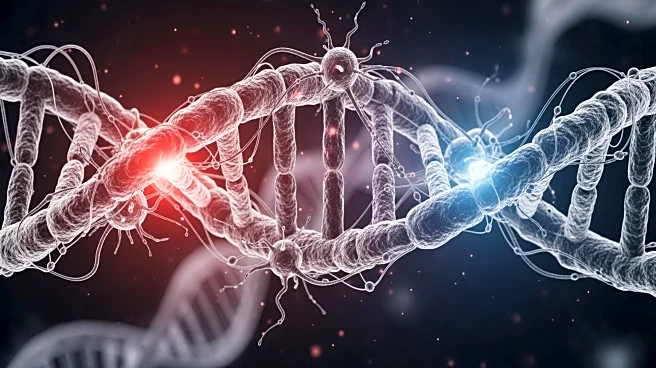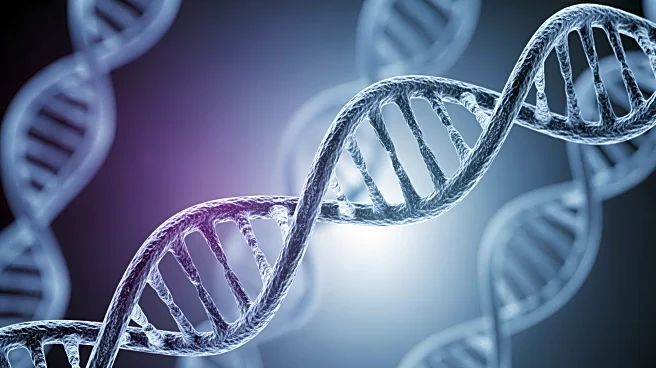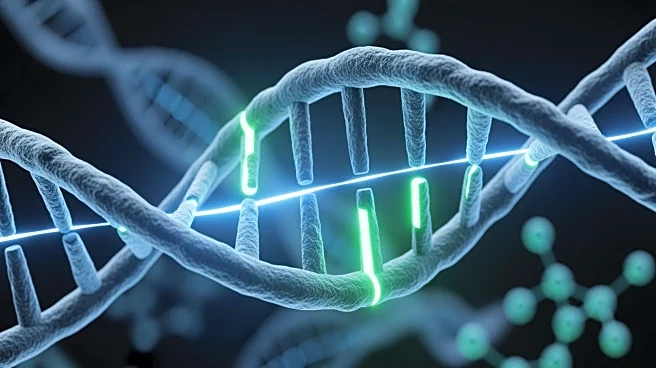

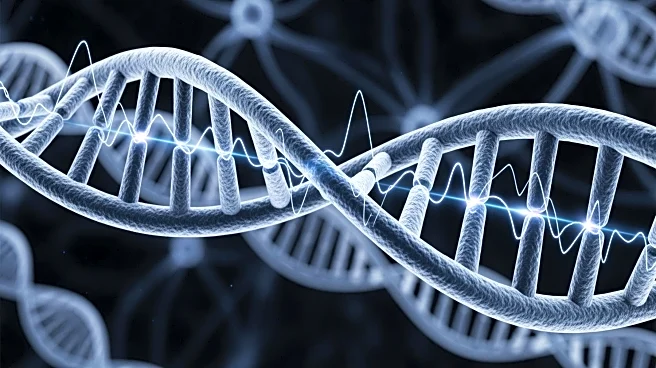
CRISPR technology has emerged as a revolutionary tool in the field of medicine, offering new possibilities for treating genetic disorders and advancing medical research. Derived from a bacterial defense mechanism, CRISPR-Cas9 enables precise modifications to DNA, making it a powerful tool for gene editing. Its applications in medicine are vast, ranging from correcting genetic mutations to developing new therapies for complex diseases.
Gene Editing for Disease Treatment
One of the most
promising applications of CRISPR technology in medicine is its potential to treat genetic disorders. By enabling targeted changes in the genome, CRISPR-Cas9 can correct mutations that cause diseases such as cystic fibrosis, sickle cell anemia, and muscular dystrophy. Researchers are exploring the use of CRISPR to repair defective genes in patients, offering hope for curing diseases that were previously considered untreatable.
CRISPR technology also holds promise for treating complex diseases such as cancer. By editing genes that are involved in cancer progression, CRISPR can potentially halt the growth of tumors and improve patient outcomes. Early research in animal models has shown that CRISPR-based therapies have the potential to treat a wide range of diseases, including heart disease and neurodegenerative disorders.
Advancements in Medical Research
Beyond its therapeutic applications, CRISPR technology is transforming medical research by providing a powerful tool for studying gene function. Researchers can use CRISPR to create models of diseases in the laboratory, allowing them to investigate the underlying mechanisms and identify potential targets for treatment. This ability to manipulate genes with precision has accelerated the pace of discovery in medical research.
CRISPR is also being used to develop new diagnostic tools. By targeting specific DNA sequences, CRISPR-based diagnostics can detect the presence of pathogens or genetic mutations with high accuracy. This has the potential to improve the early detection of diseases and enable personalized medicine, where treatments are tailored to the genetic makeup of individual patients.
Ethical Considerations and Future Prospects
While CRISPR technology offers significant potential in medicine, it also raises ethical considerations. The ability to edit the human genome has sparked debates about the implications of genetic modification, particularly in the context of germline editing, where changes can be inherited by future generations. Concerns about the possibility of unintended consequences and the ethical boundaries of gene editing continue to be discussed.
Despite these challenges, the future of CRISPR in medicine is promising. As research advances, CRISPR technology is expected to play a crucial role in developing new treatments and improving patient care. Its ability to make precise modifications to DNA offers a powerful tool for understanding and addressing the genetic basis of diseases. As scientists continue to explore its potential, CRISPR technology is poised to revolutionize the field of medicine and transform the way we approach disease treatment.